

TEXTILE
Textile by skillful challenger
Fabric making by experienced challengers
A commitment to working with materials
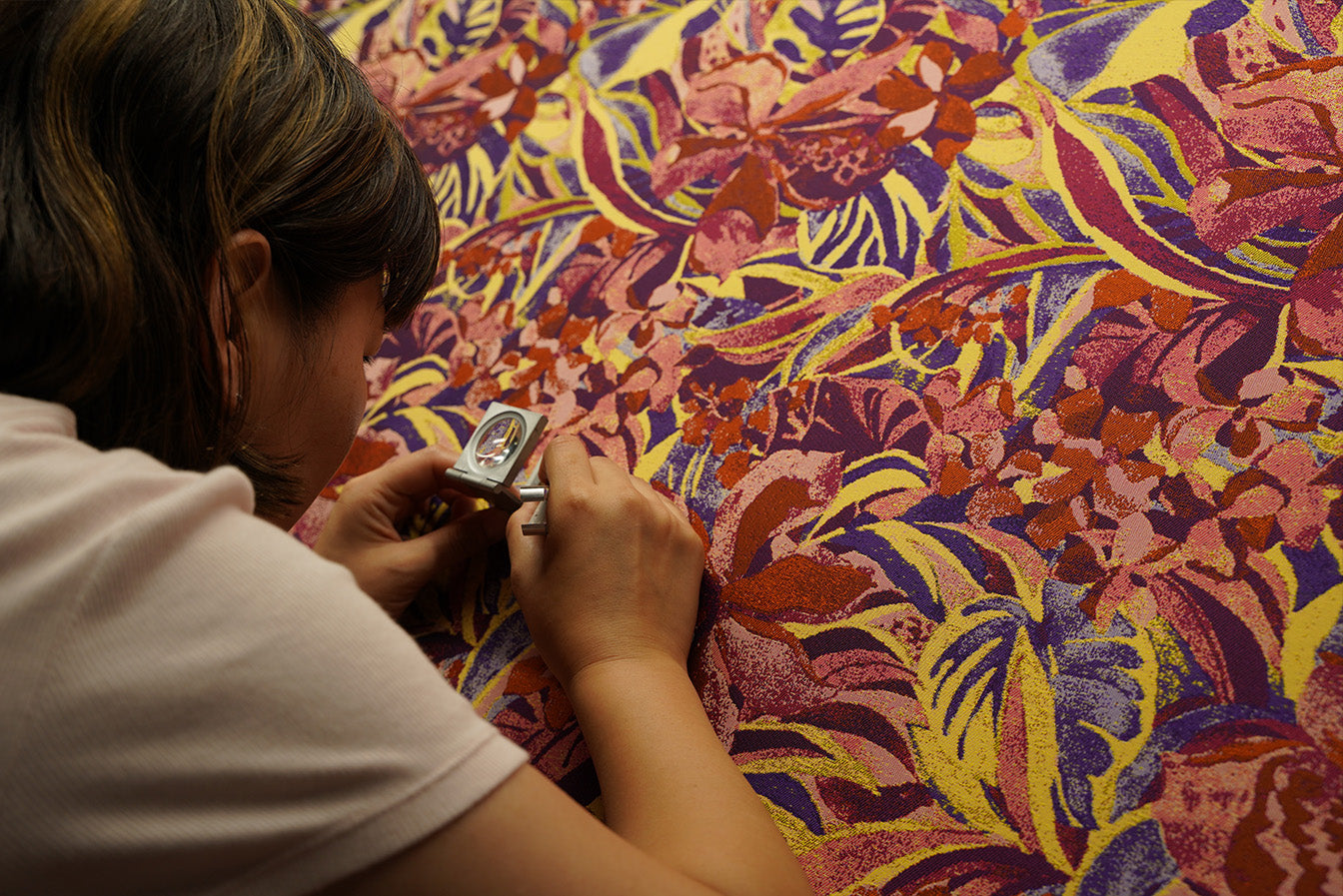
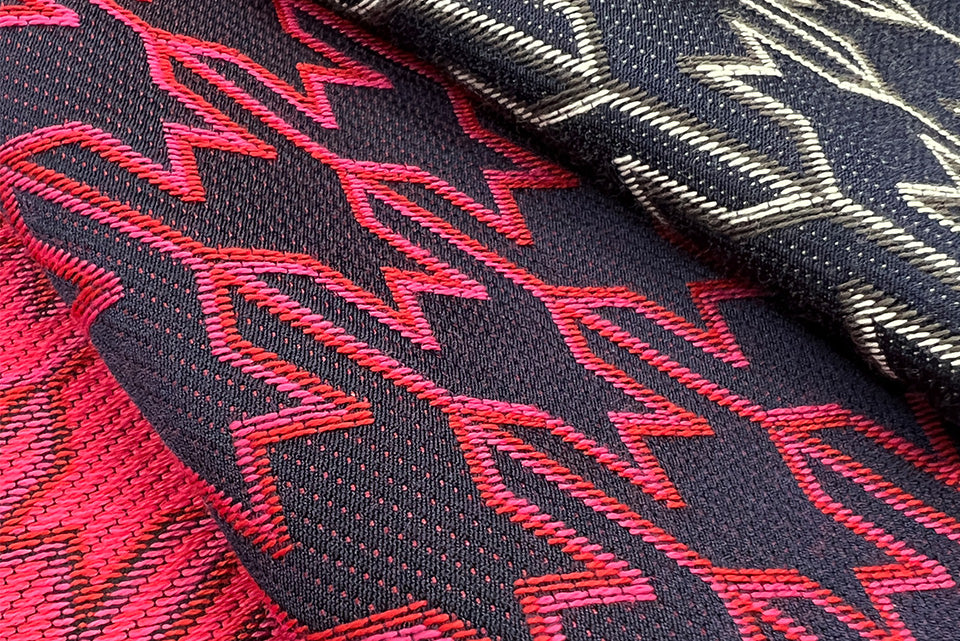
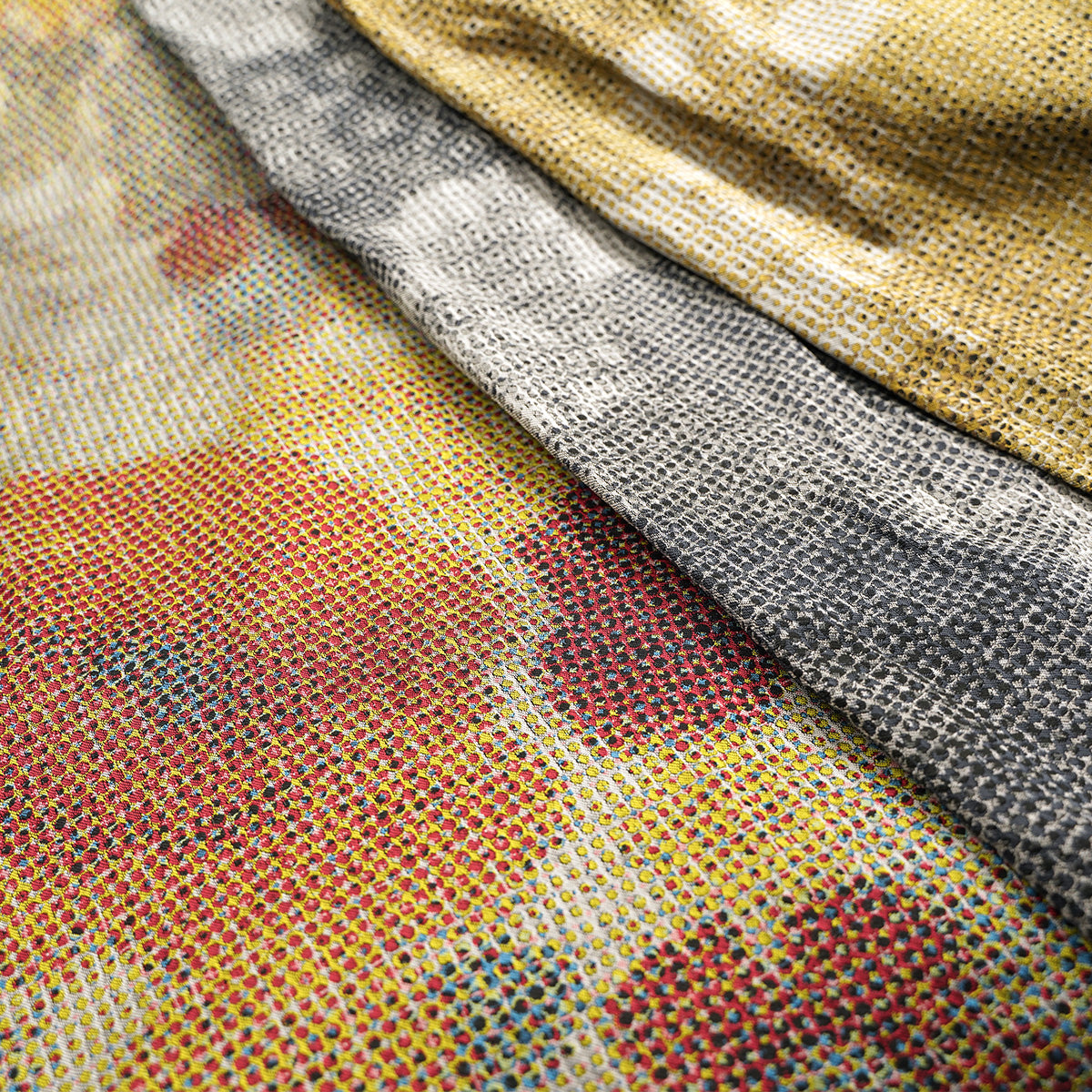
Makita's fabrics are "pre-dyed" jacquards woven from skeins of dyed yarn for specific uses. This advanced technique has not only been used in umbrellas, but has also supported the development of Japanese fashion brands, supporting Made in Japan fashion as an unsung hero. Makita Shoten's fabrics are woven. That's why they consider the material before they start drawing. They then take it in their hands. They then design by considering patterns and colors that are suited to that material. This allows for beautiful patterns with depth and texture that can only be expressed with woven fabrics. Their original fabrics, which are carefully crafted with attention to the texture and color patterns created by each individual thread, are supported by top brands around the world.
How Makita Shoten's dough is made
There are many intricate steps involved in producing a single piece of cloth, and each step requires specialized craftsmen who have inherited the ancient traditions of the production area.
Working in collaboration with weavers, yarn makers, and fabric processors from the same production area, Makita Shoten weaves textiles in six main steps.
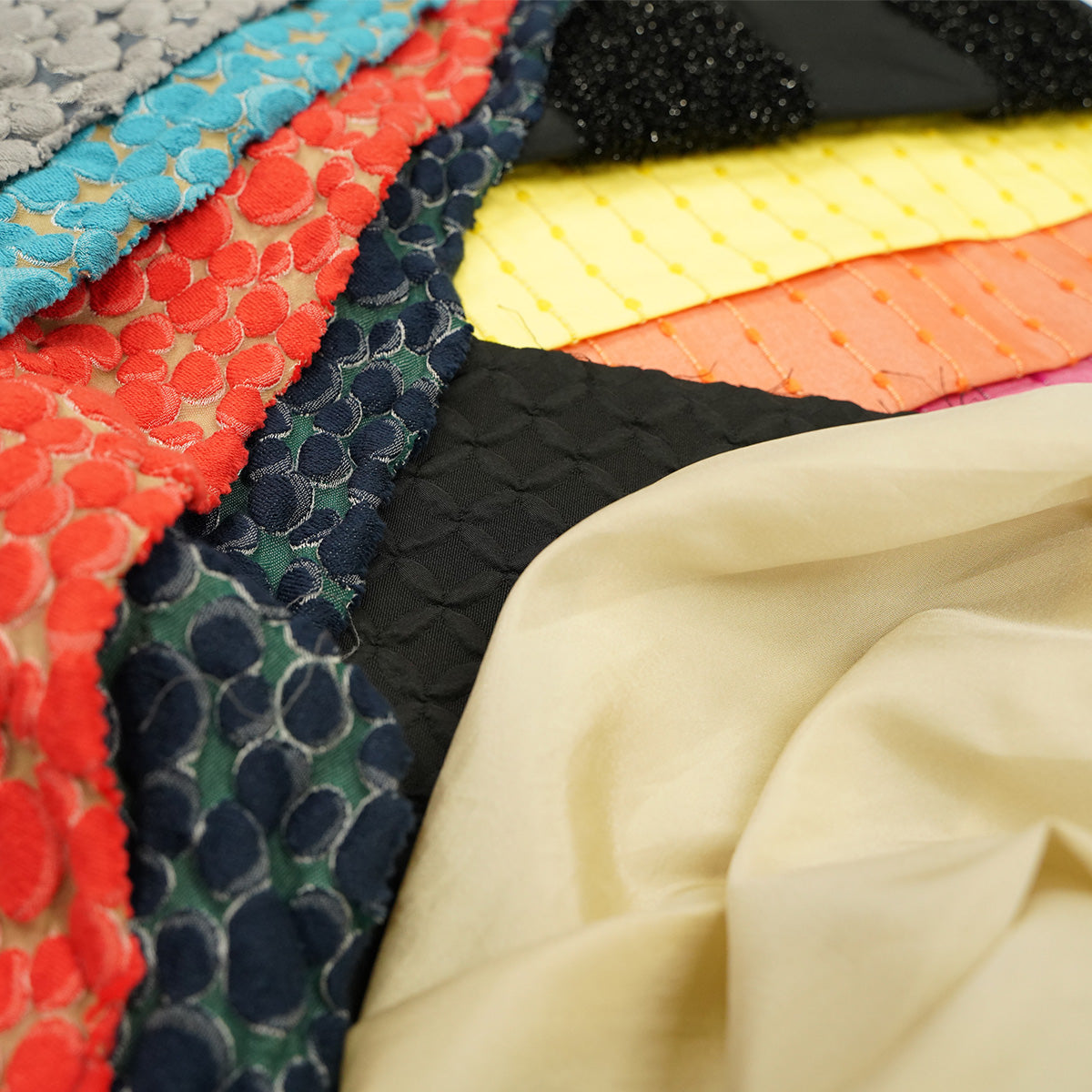
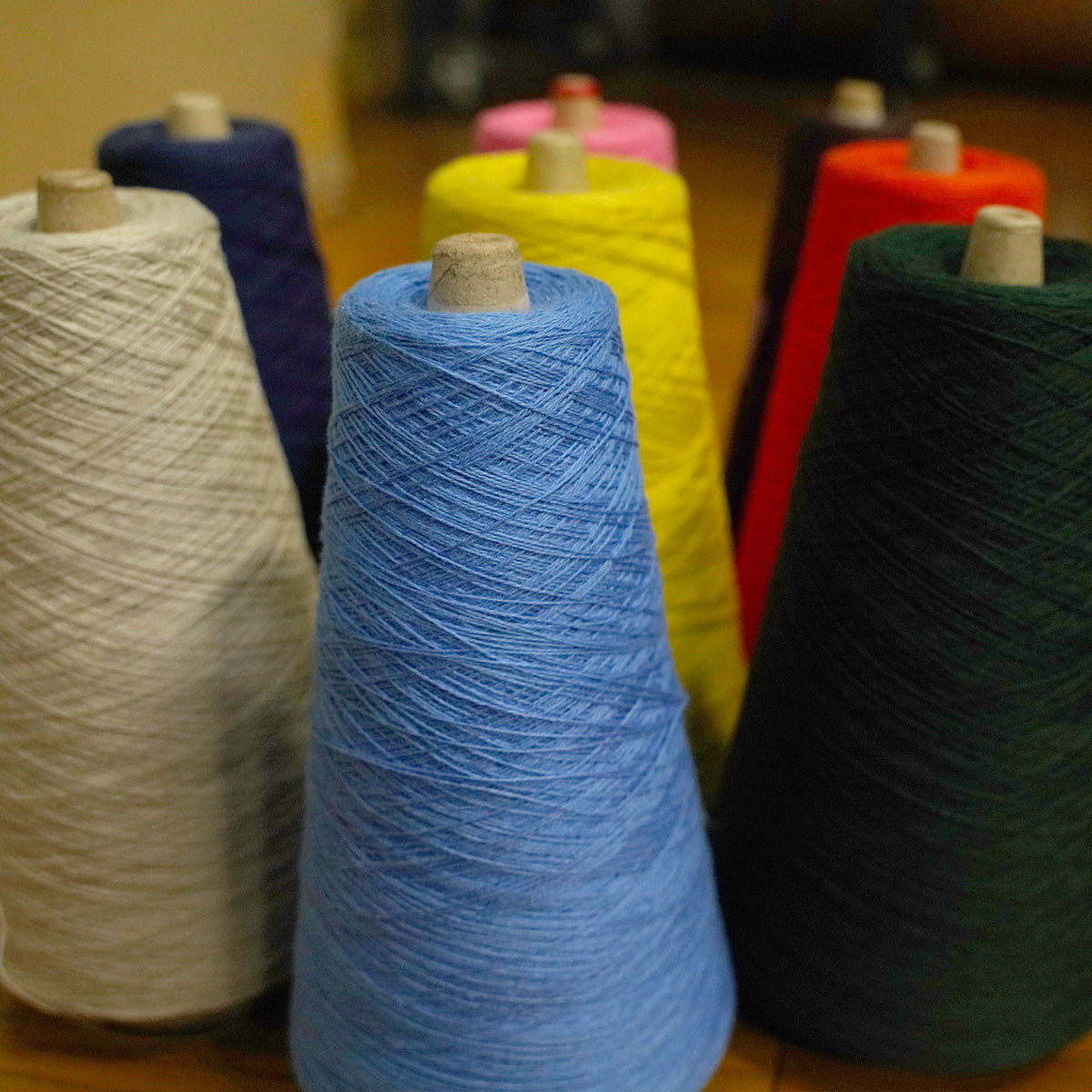
Step 1. Select the thread
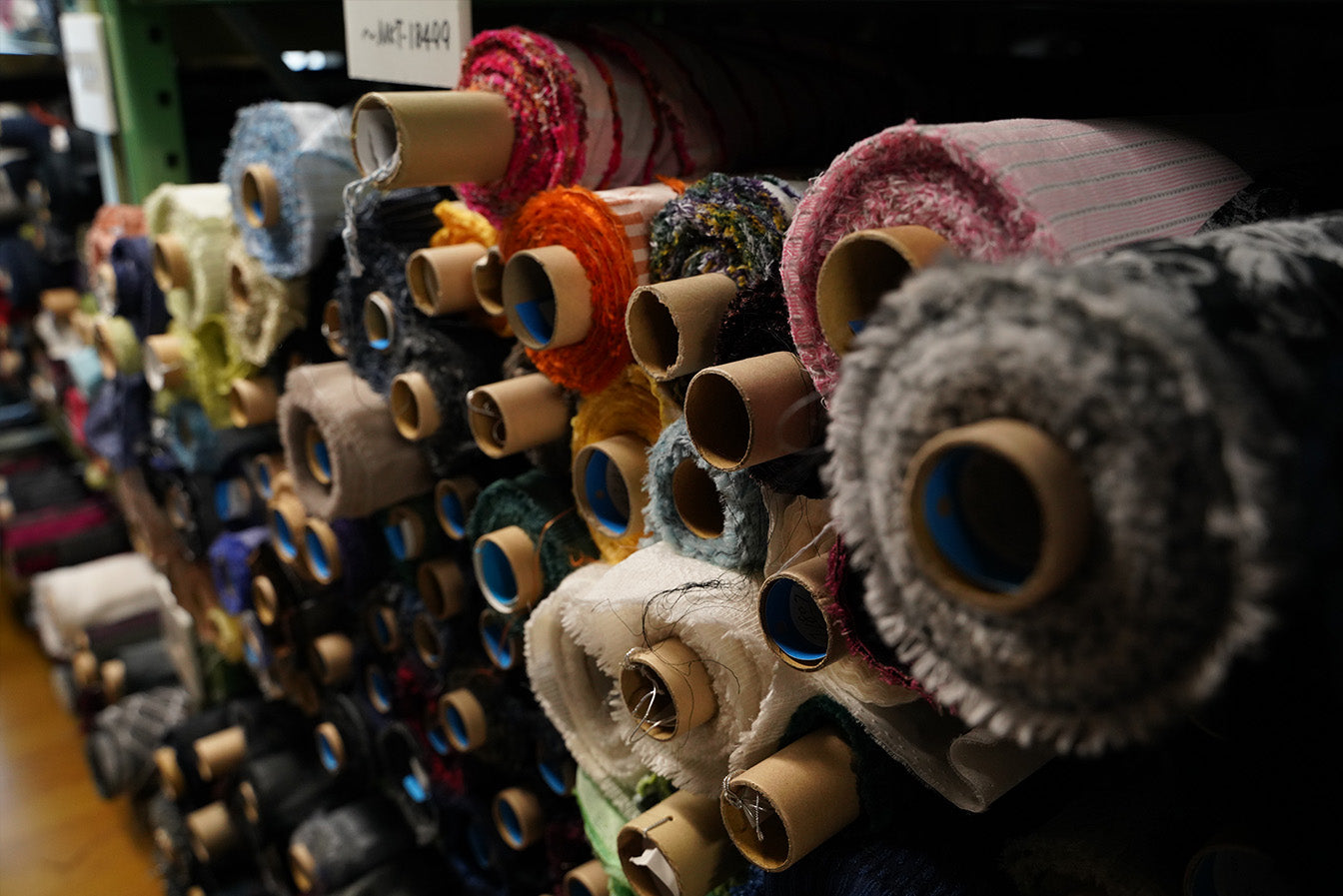
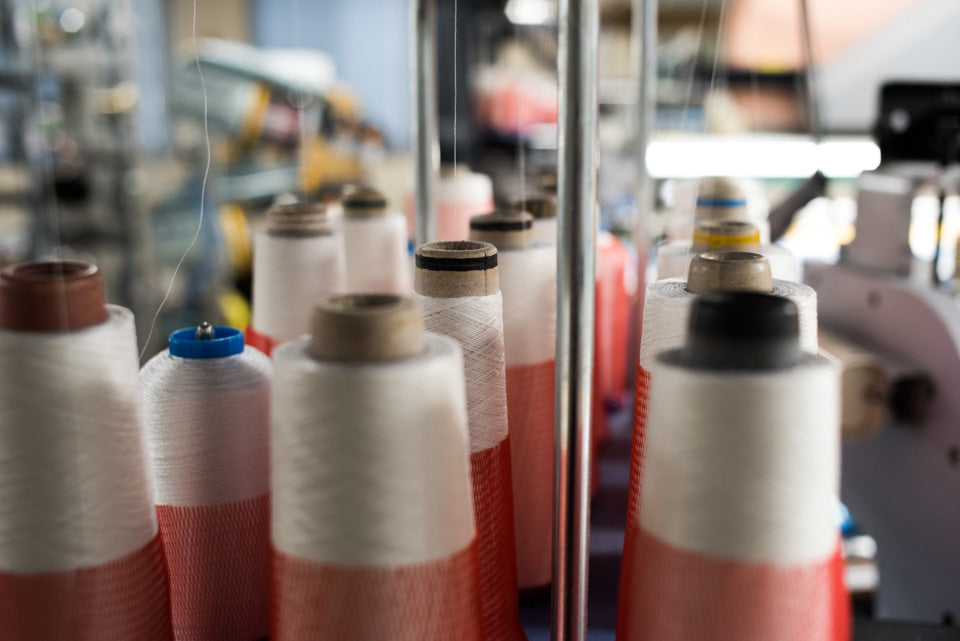
First, please let us know how you would like to use the fabric. We will select the yarn to match the finished product image, such as a jacket, shirt, umbrella, or interior décor. The softness, crispness, thickness, and texture of the fabric will change depending on how the yarn is twisted and how fine it is. There are also many different types and functions of yarn, such as natural fibers like cotton, silk, cupra, and linen, synthetic fibers like polyester and nylon, and long and short fibers, so please consult with a textile designer about the texture of the material.
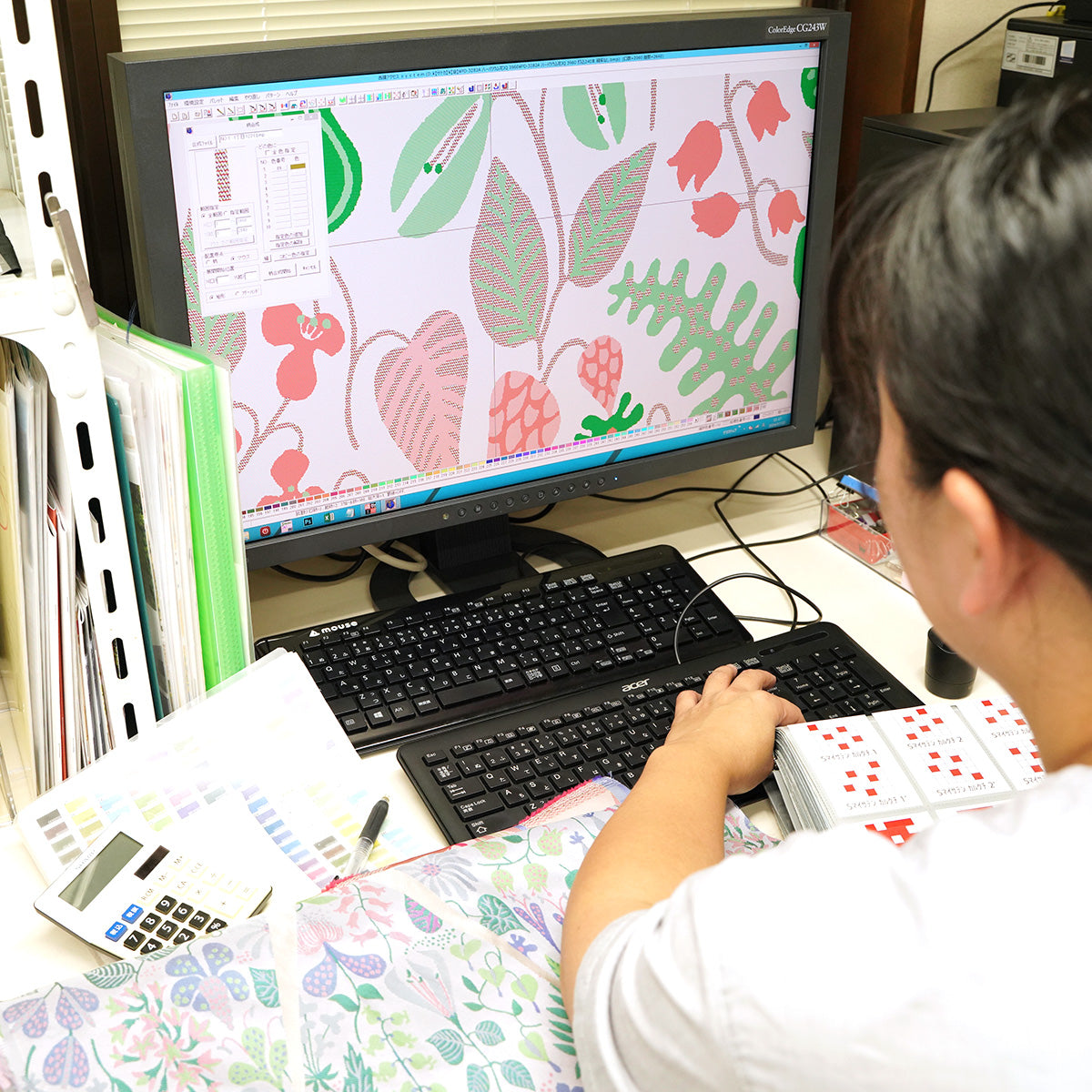
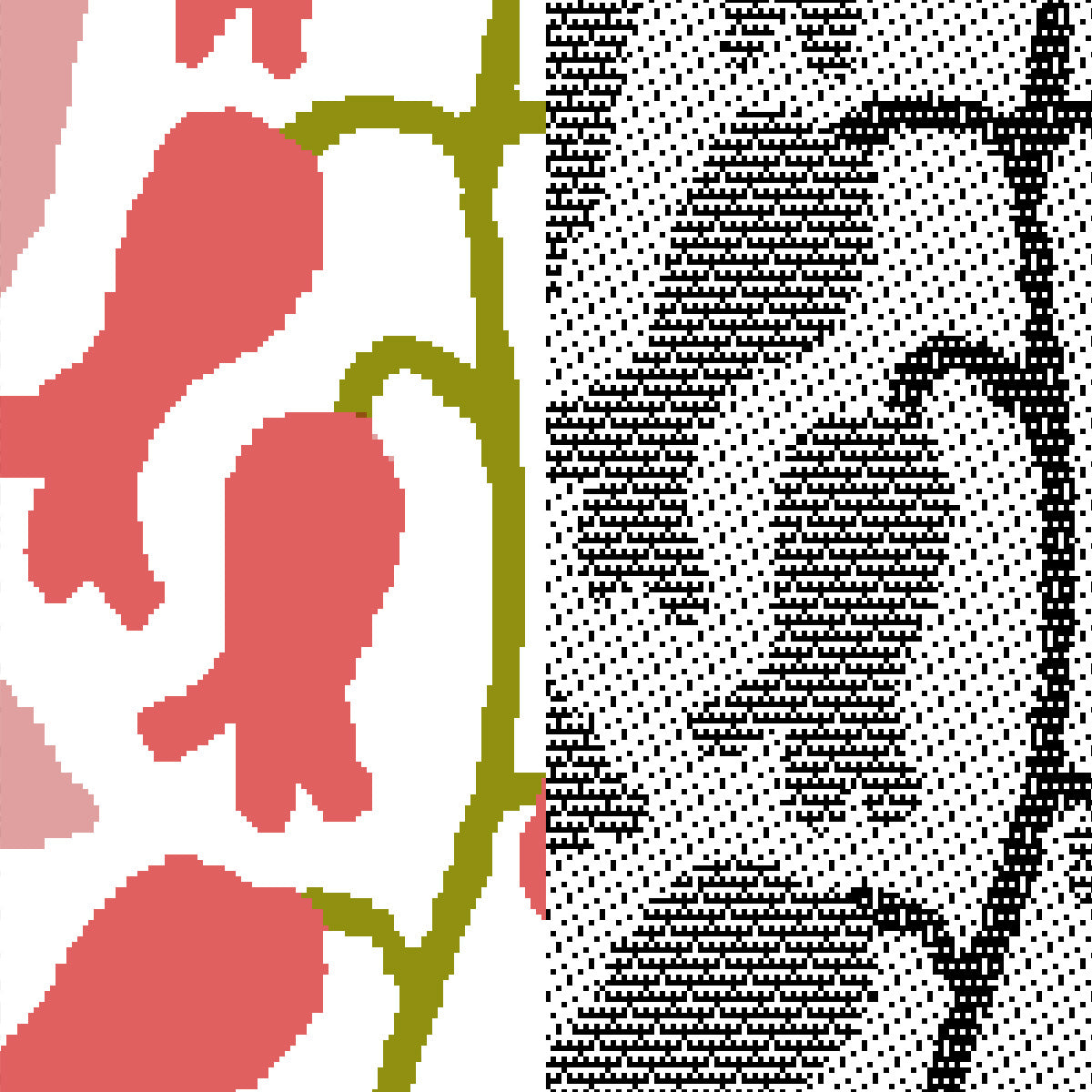
Step 2. Design the crest design
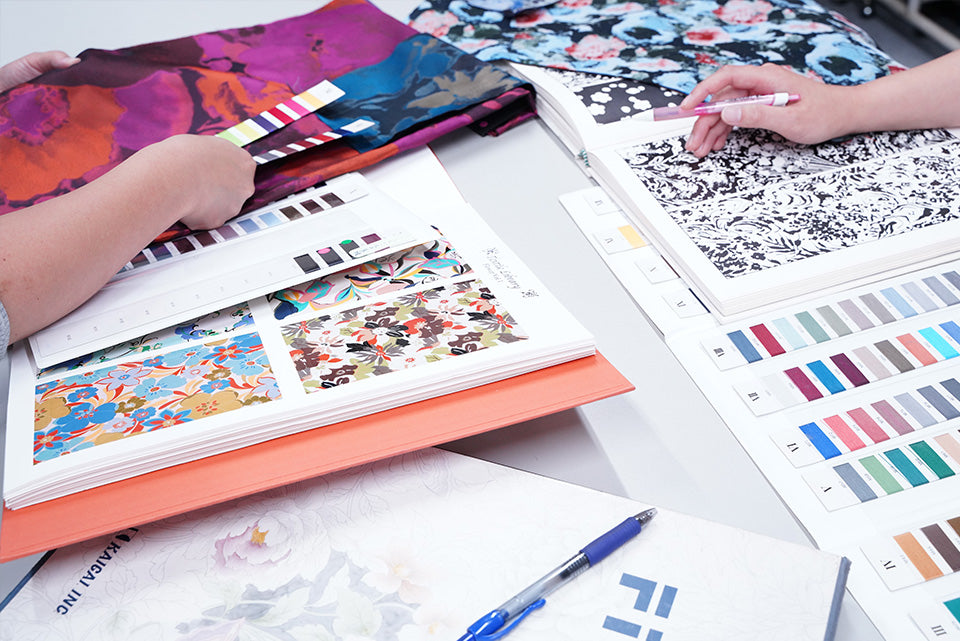
The crest design will be designed to match the design drawing. There are three basic weaves for textiles: plain weave, twill weave, and satin weave. Generally, plain weave is suitable for organza and canvas, twill weave for denim and wool coat fabric, and satin weave for dress fabric and necktie fabric. However, to create a unique textile, the texture will be created by using different weaves, so please leave the weave selection to a textile designer.
<Three basic weaves of textiles>
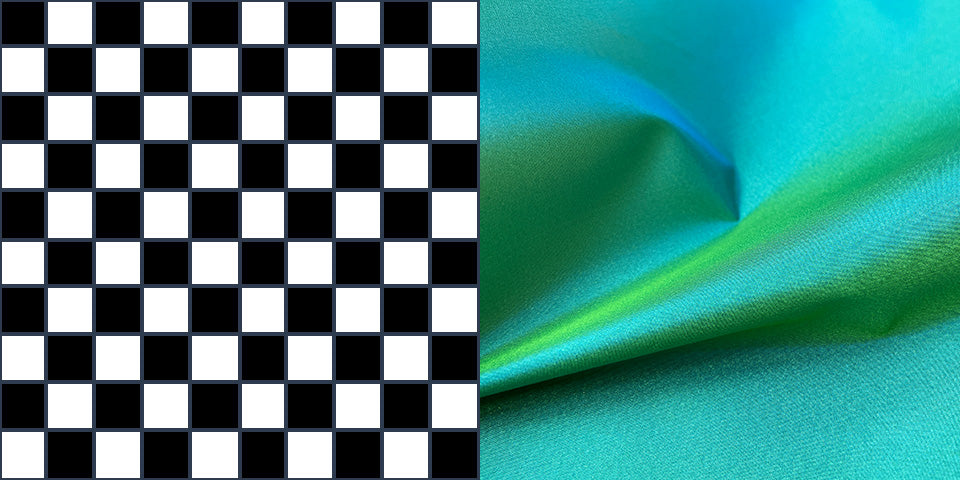
<Plain weave>
This is the simplest and most basic weave, with one warp thread and one weft thread crossing each other. This results in a durable fabric that is resistant to friction. Chambray fabric (Iridescent weave) is woven using this weave.
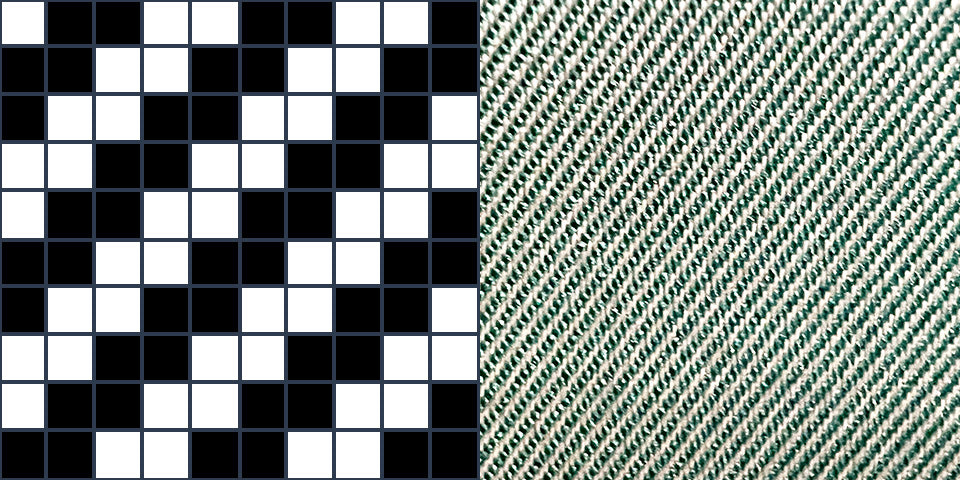
<Twill>
This is a weave with a diagonal weave, also known as twill or diagonal weave. It is used for denim fabrics and other fabrics, and is highly elastic and wrinkle-resistant.
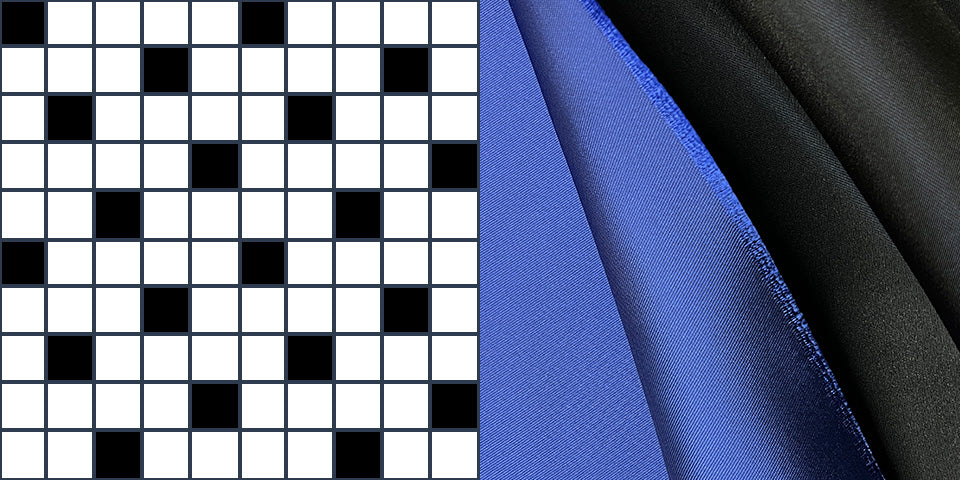
<Satin>
This is a weave that makes either the warp or weft thread less noticeable. If the warp thread is visible on the front, the weft thread will be visible on the back (or vice versa). This results in a luxurious, glossy fabric.
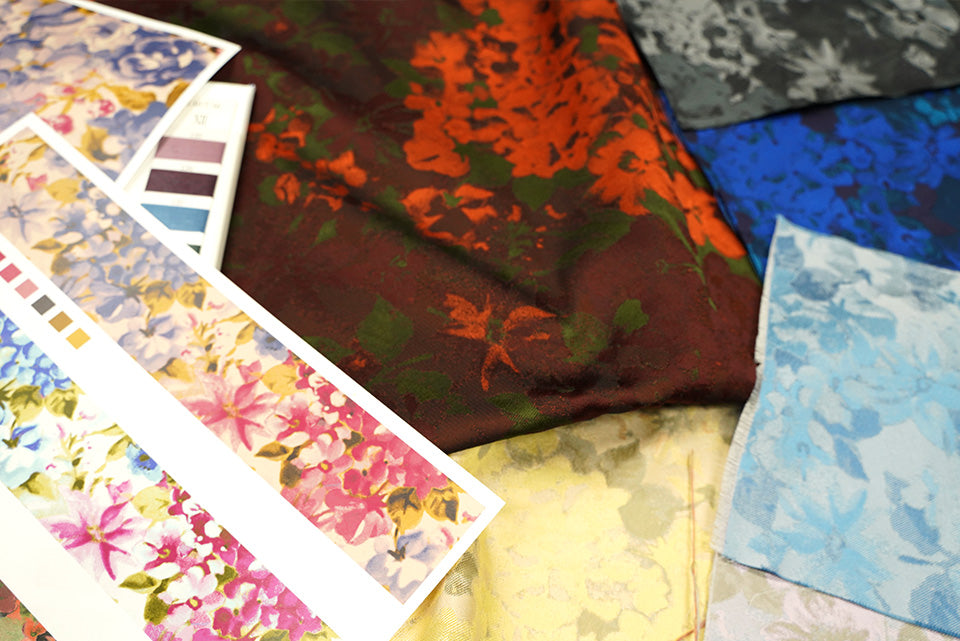
For example, in the case of multicolored jacquard fabric, which is Makita Shoten's specialty and uses one color of warp thread and three colors of weft thread,
-How can we express the colors of a pattern using a limited number of thread colors?
-Which weave should be used where to avoid monotony and create a three-dimensional shadow effect?
- Will the thickness and texture of the fabric match the image you have in mind?
- When applying water-repellent treatment to umbrella fabric, will the fabric be able to meet the water resistance standards?
In order to turn a design into a finished fabric, we consider the overall balance and weave structure.
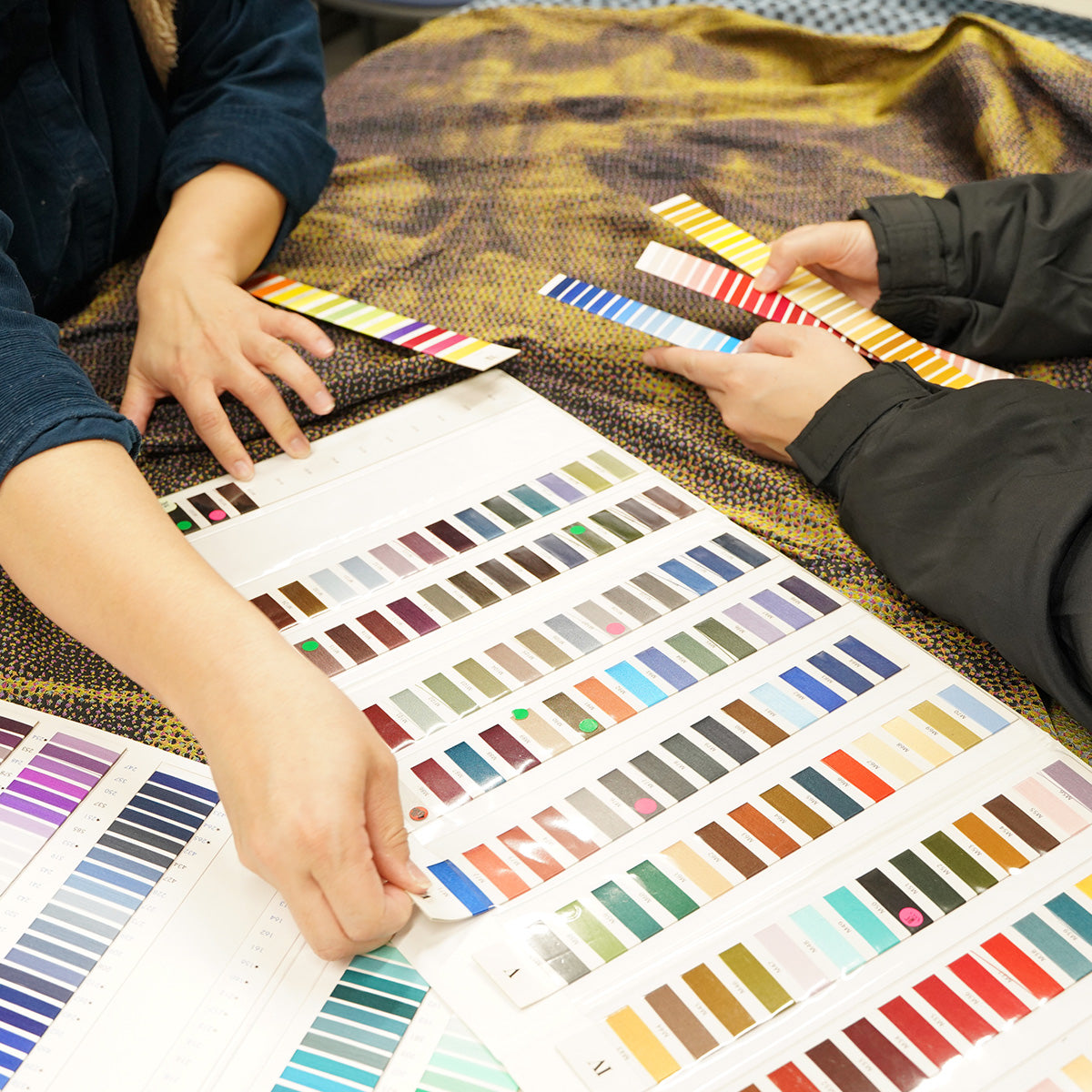
Step 3. Creating a fabric sample (trial weaving)
The final image will vary depending on the yarn and weave used, so we first weave a sample (enough for one garment). A test weave of around 5m will result in the fabric becoming distorted, so we recommend weaving a test weave of around 15-20m. After checking the color and texture of the finished fabric, we will then decide on the fine adjustments to the weave and the color scheme pattern.
Step 4. Weave
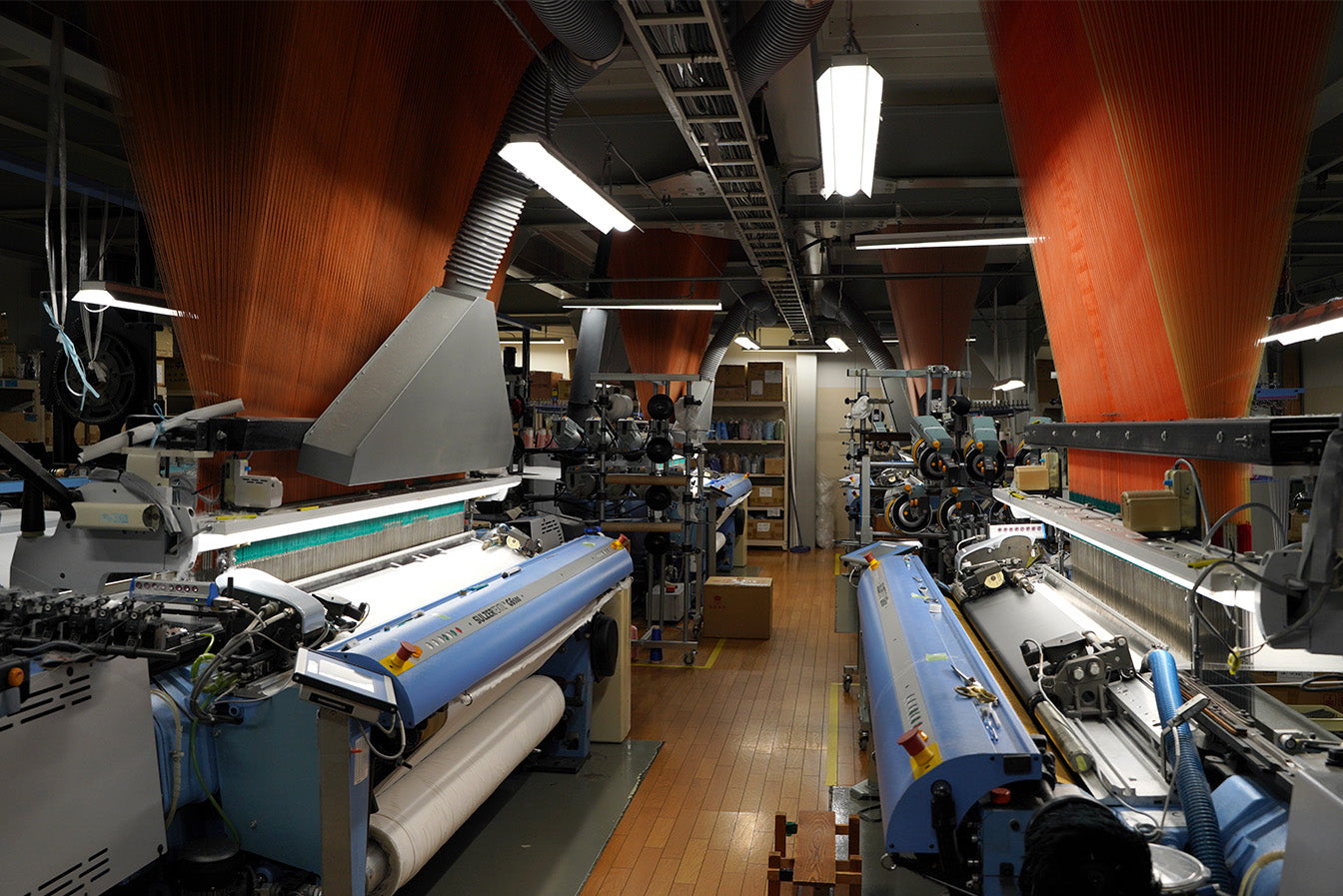
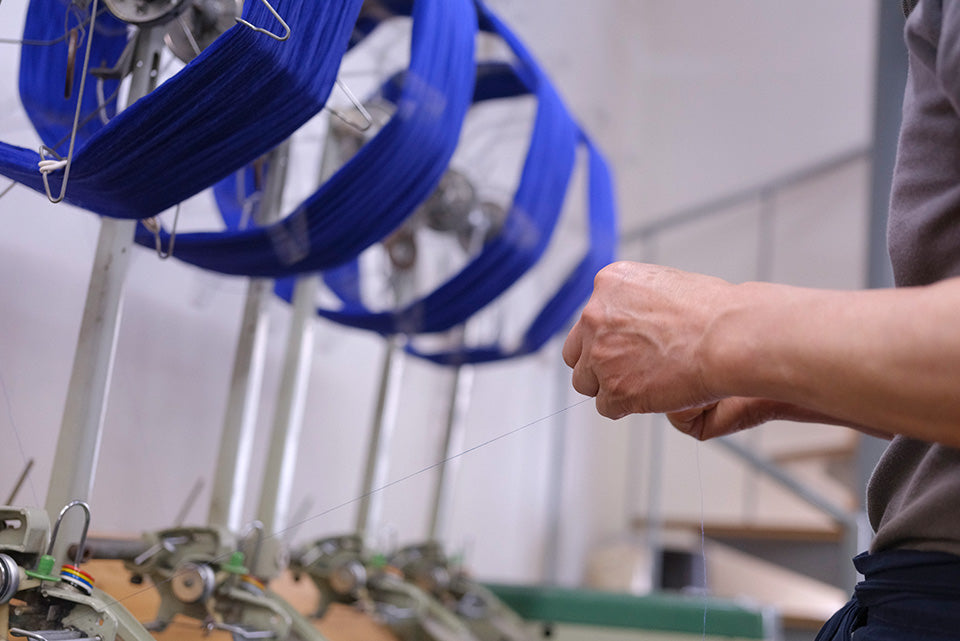
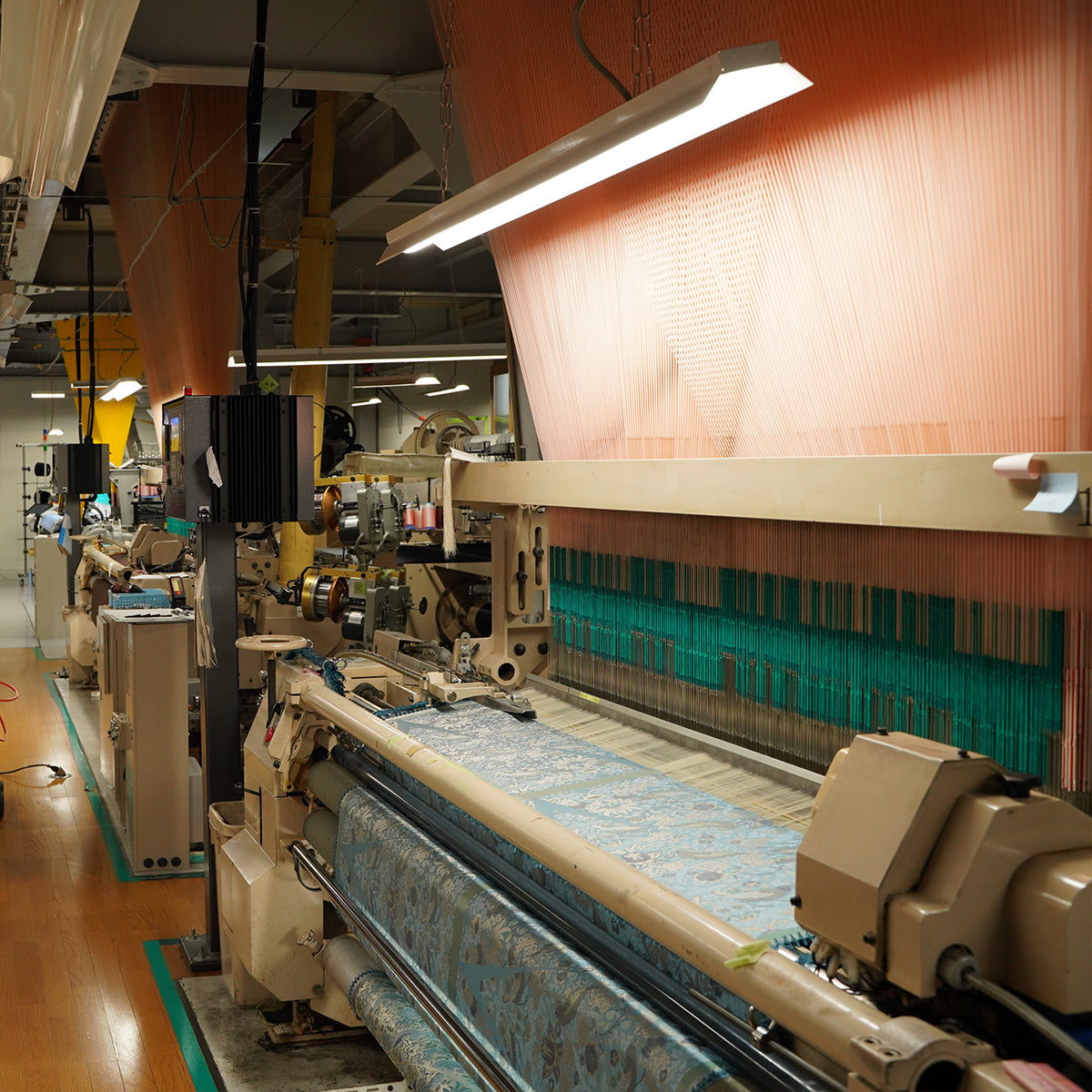
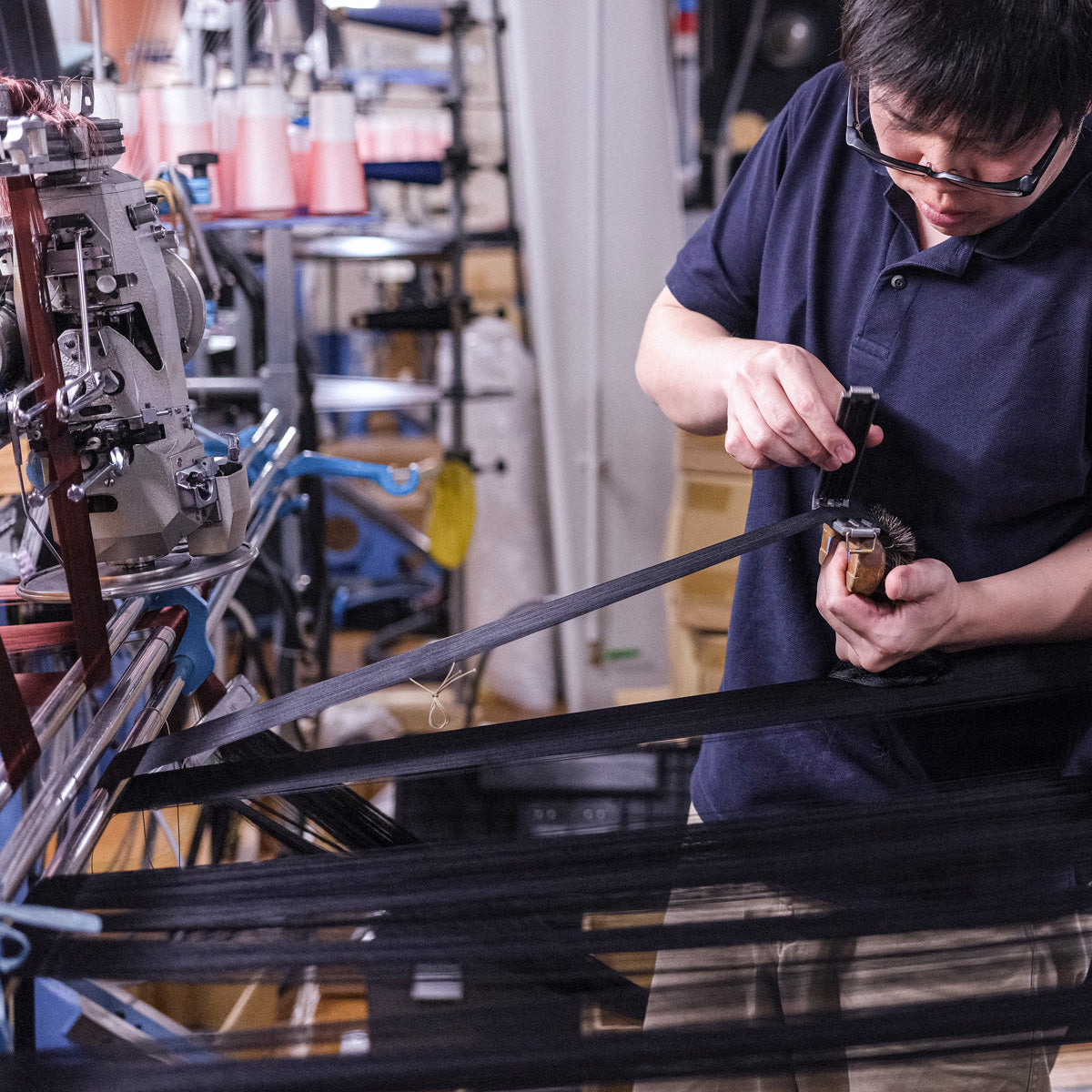
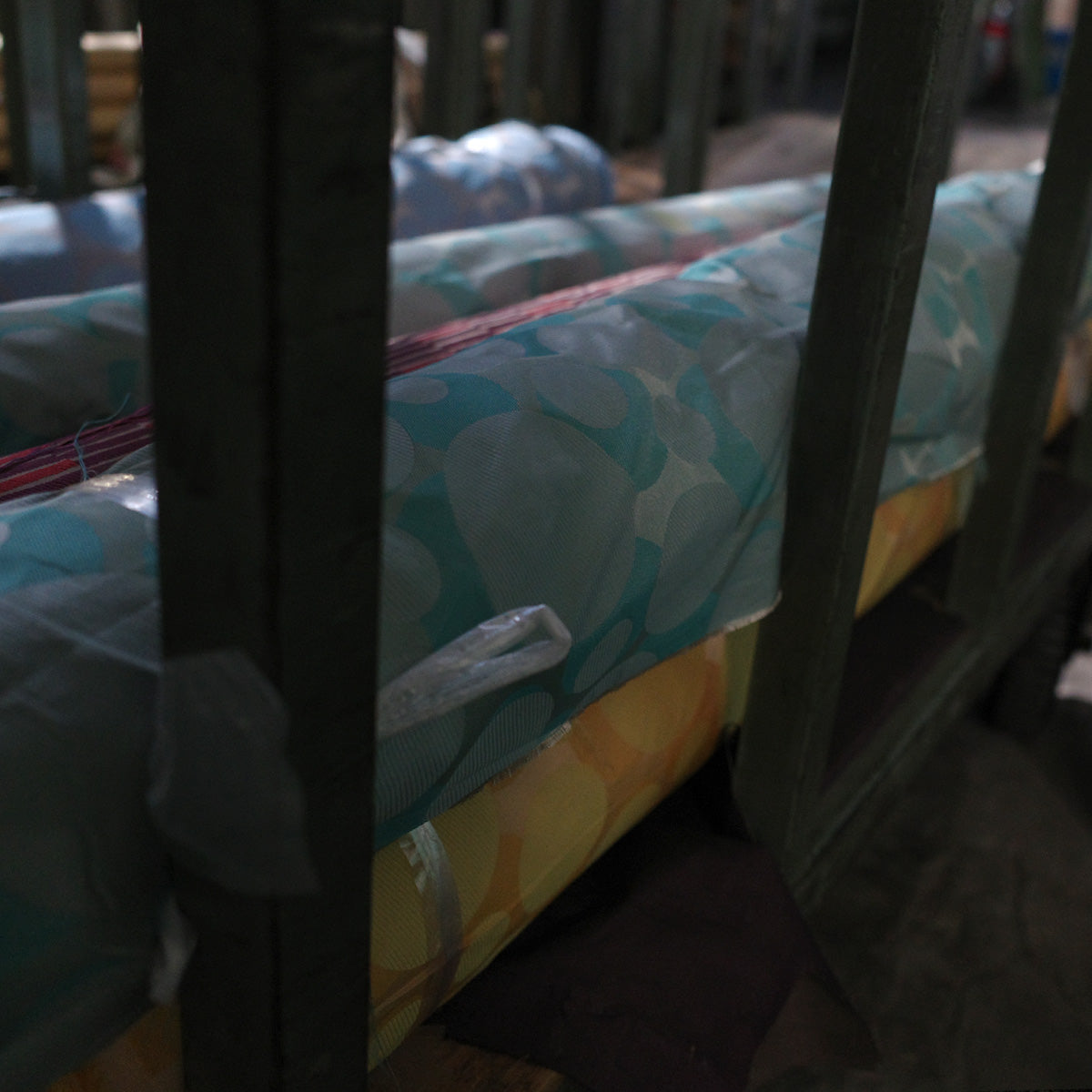
Once a satisfactory sample fabric has been created, it is time to weave the actual fabric. Even though it is woven by machine, handling threads as thin as a hair is an extremely delicate task, and sometimes thousands of threads are joined together by hand. Weaving fabric while paying close attention to each and every thread is a task that requires patience and skill.
Step 5. Fabric finishing
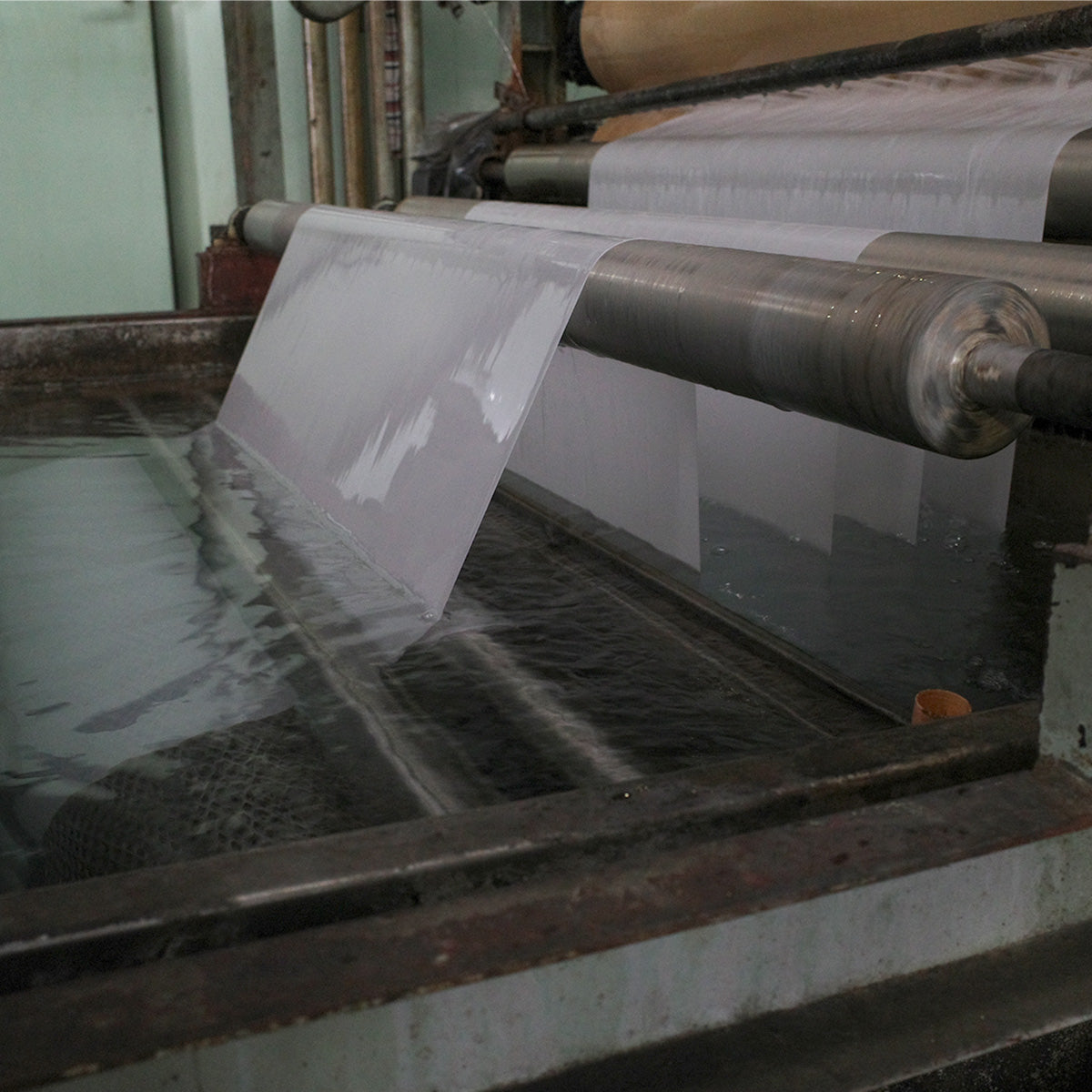
The woven fabric is sent to a local fabric processing facility for further processing. The fabric is washed, smoothed out, ironed, etc. to improve its texture. In the case of umbrella fabric, functional coatings such as water repellency, waterproofing, and heat insulation are applied.
Stap 6. Inspection
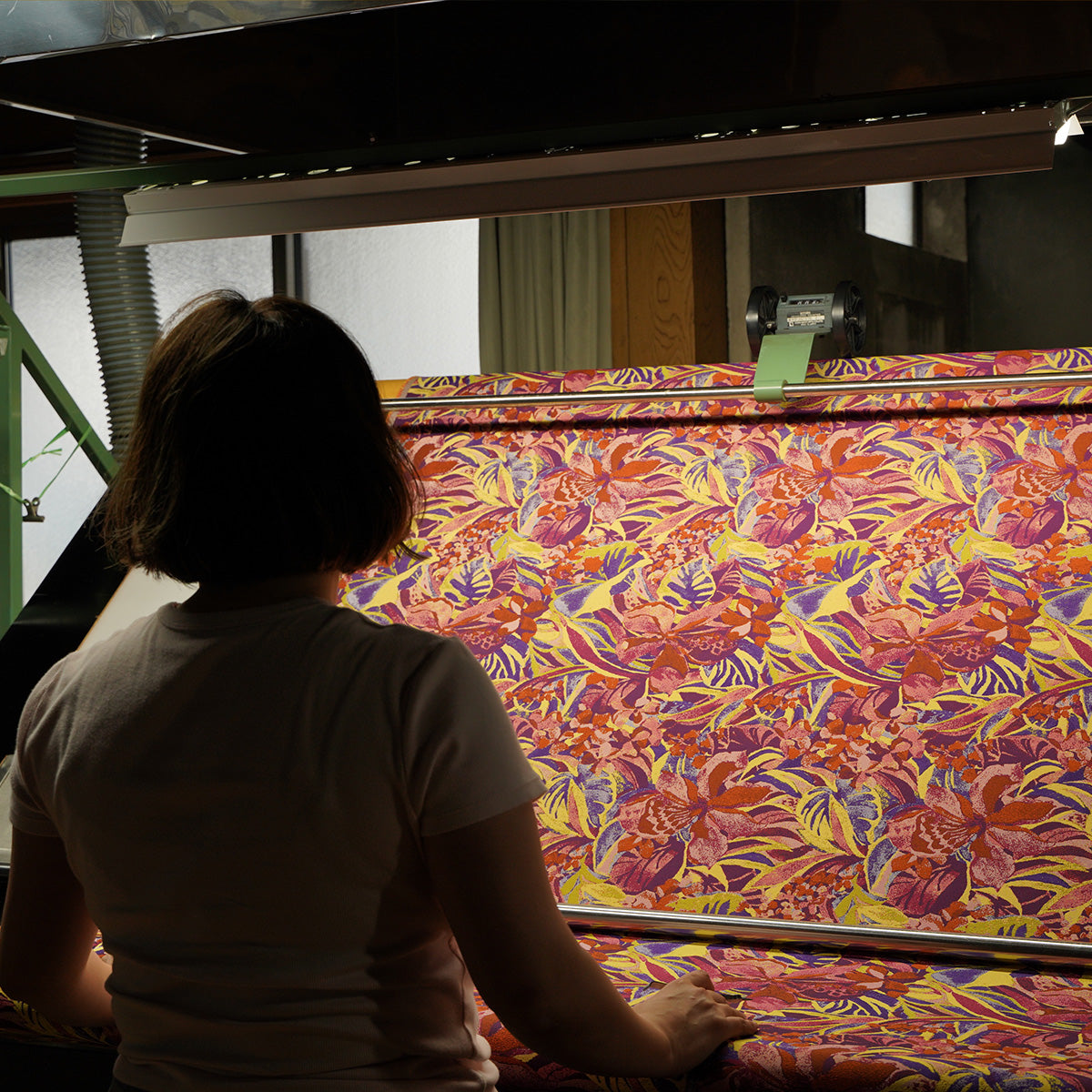
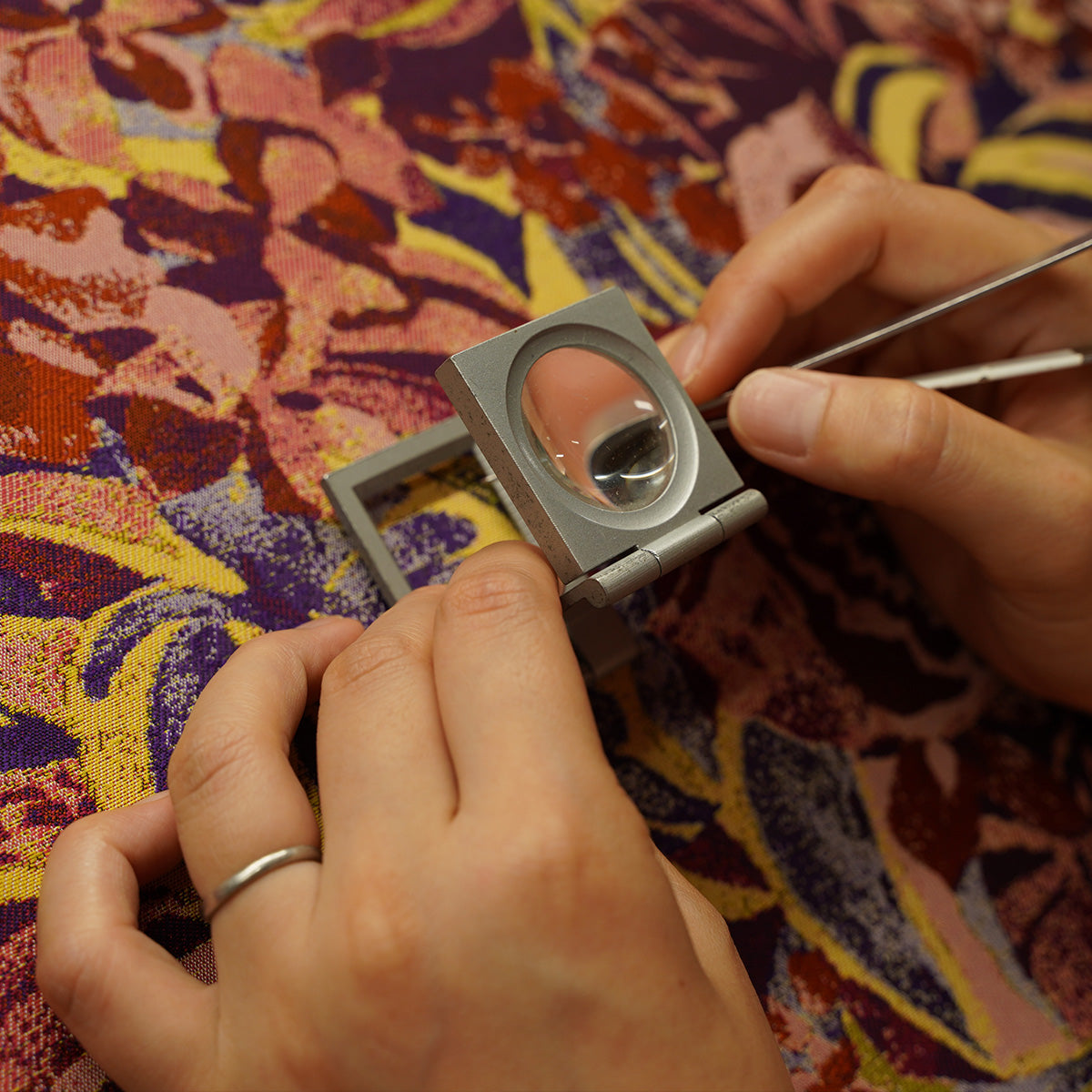
After finishing, all rolls of fabric are inspected for scratches and stains. Each roll of fabric is carefully inspected by hand, and any slight stains or scratches are repaired with special tools. This is an important finishing process before shipping.
The fabric that is shipped after going through six processes is used for a variety of purposes, including apparel, interior design, and bag fabric.
At Makita Shoten, we take advantage of our strength in being able to create fabrics from scratch and continue to challenge ourselves with new techniques and unknown textiles together with creators.
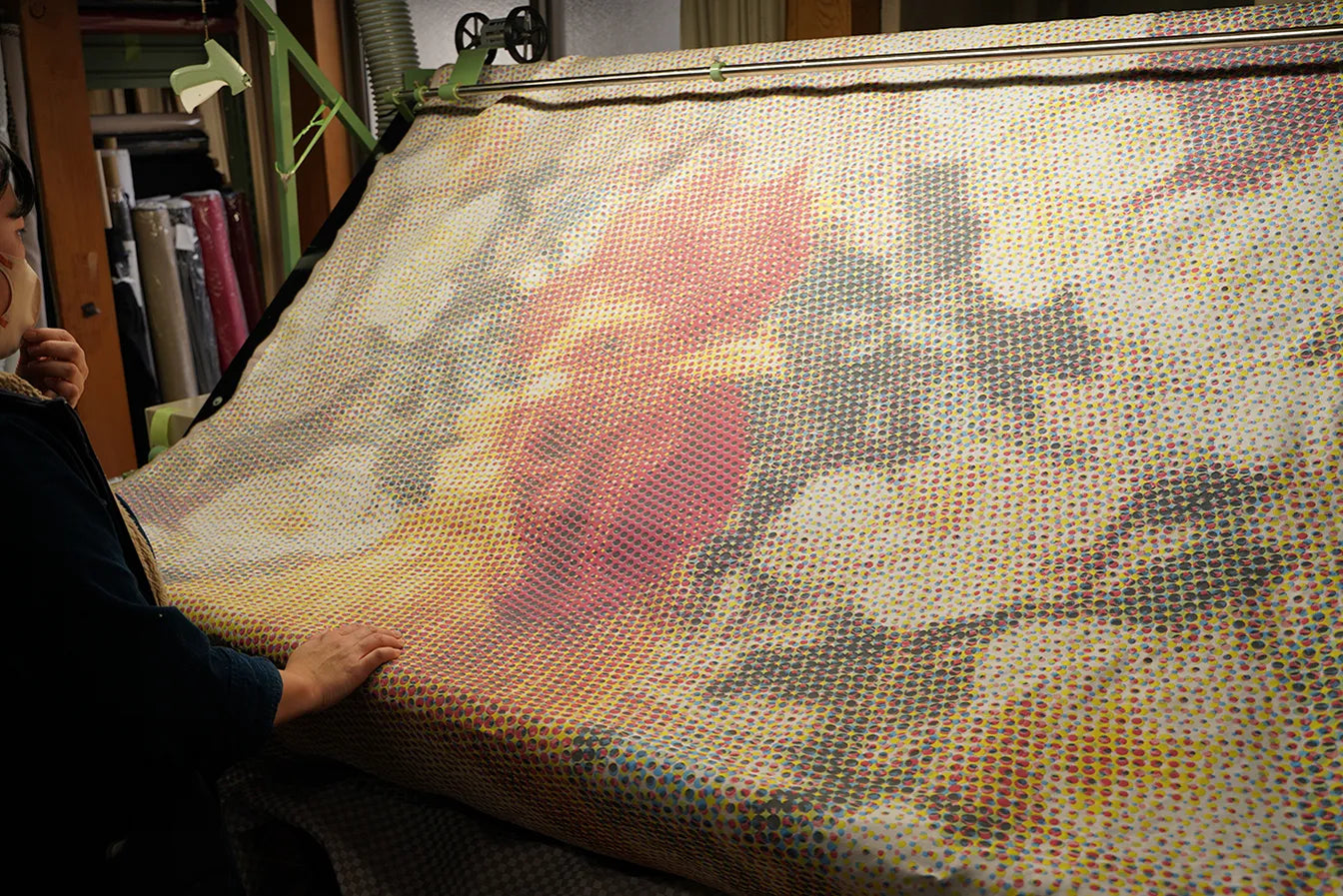
<Ordering original fabric>
[For corporate customers only] Would you like to create your own original jacquard fabric? We have a textile designer with specialized knowledge who will support you, so even if you are new to fabric making, you can place an order.
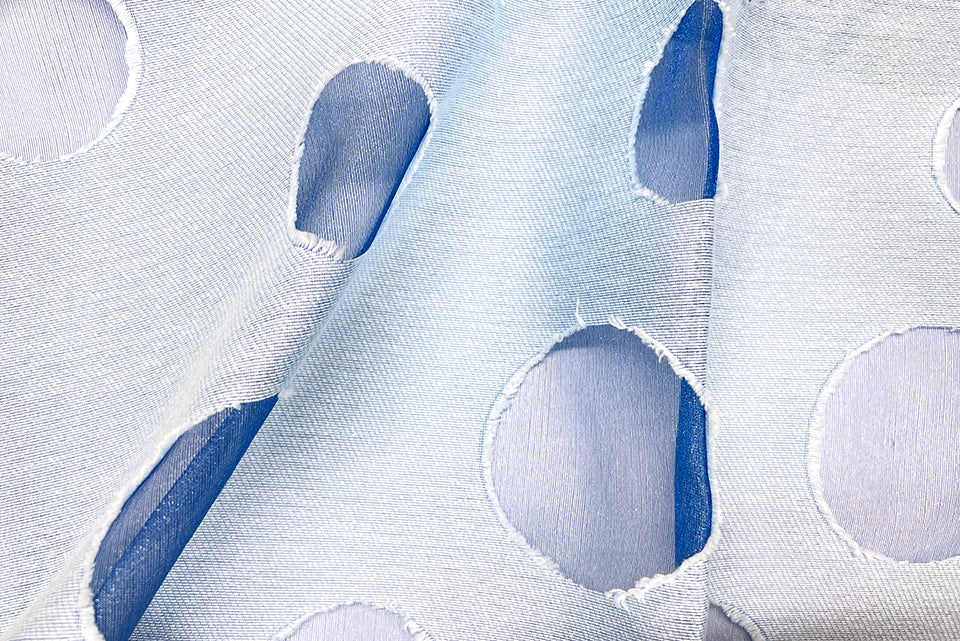
<Type of fabric>
Makita Shoten weaves a variety of textiles, focusing on umbrella fabric and clothing fabric, while exploring new possibilities for fabric.
<Facility introduction>
We own a total of 10 looms, including a large-mouth jacquard loom that can weave fabrics up to 180cm wide, which is rare in Japan.