


Weaving team
weaver team
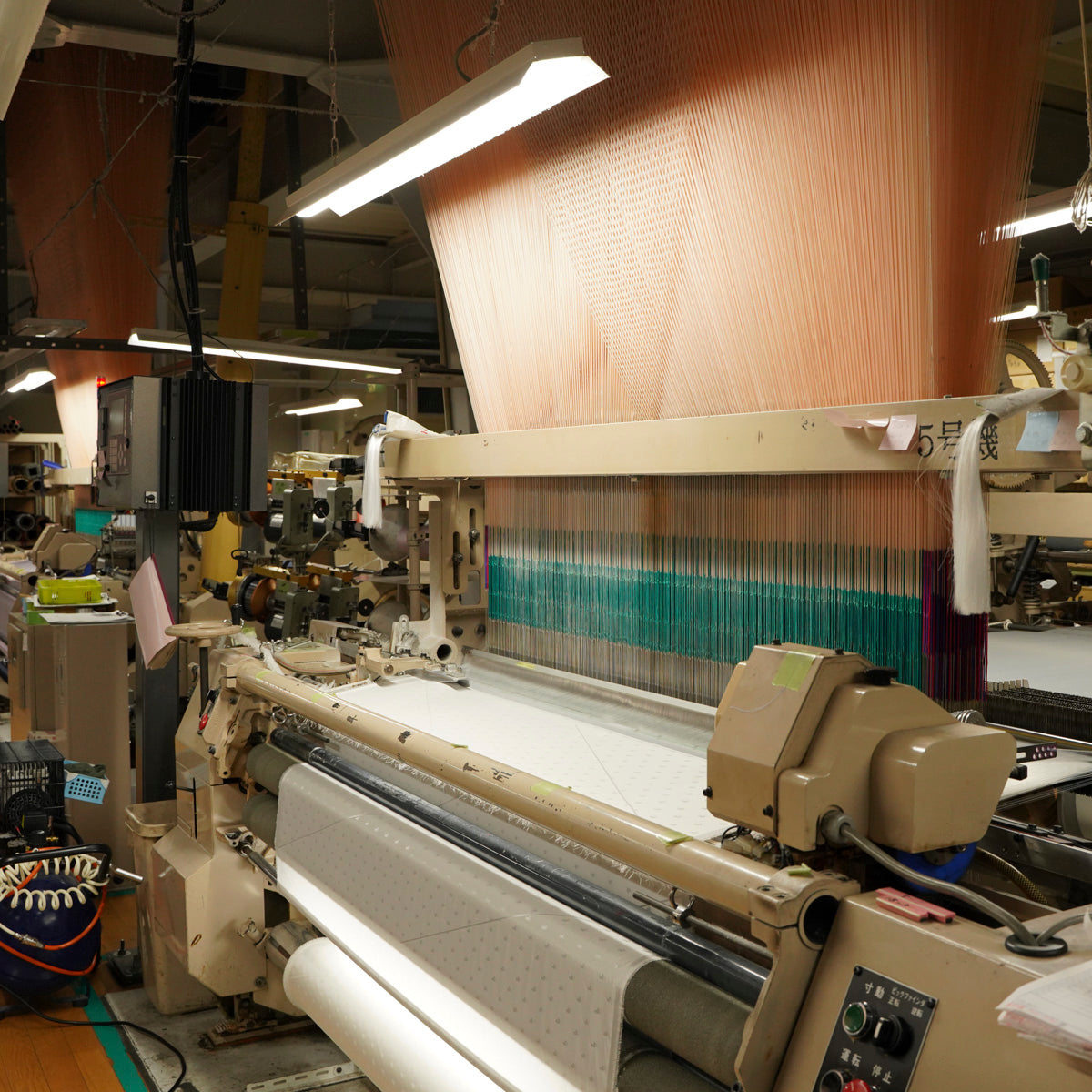
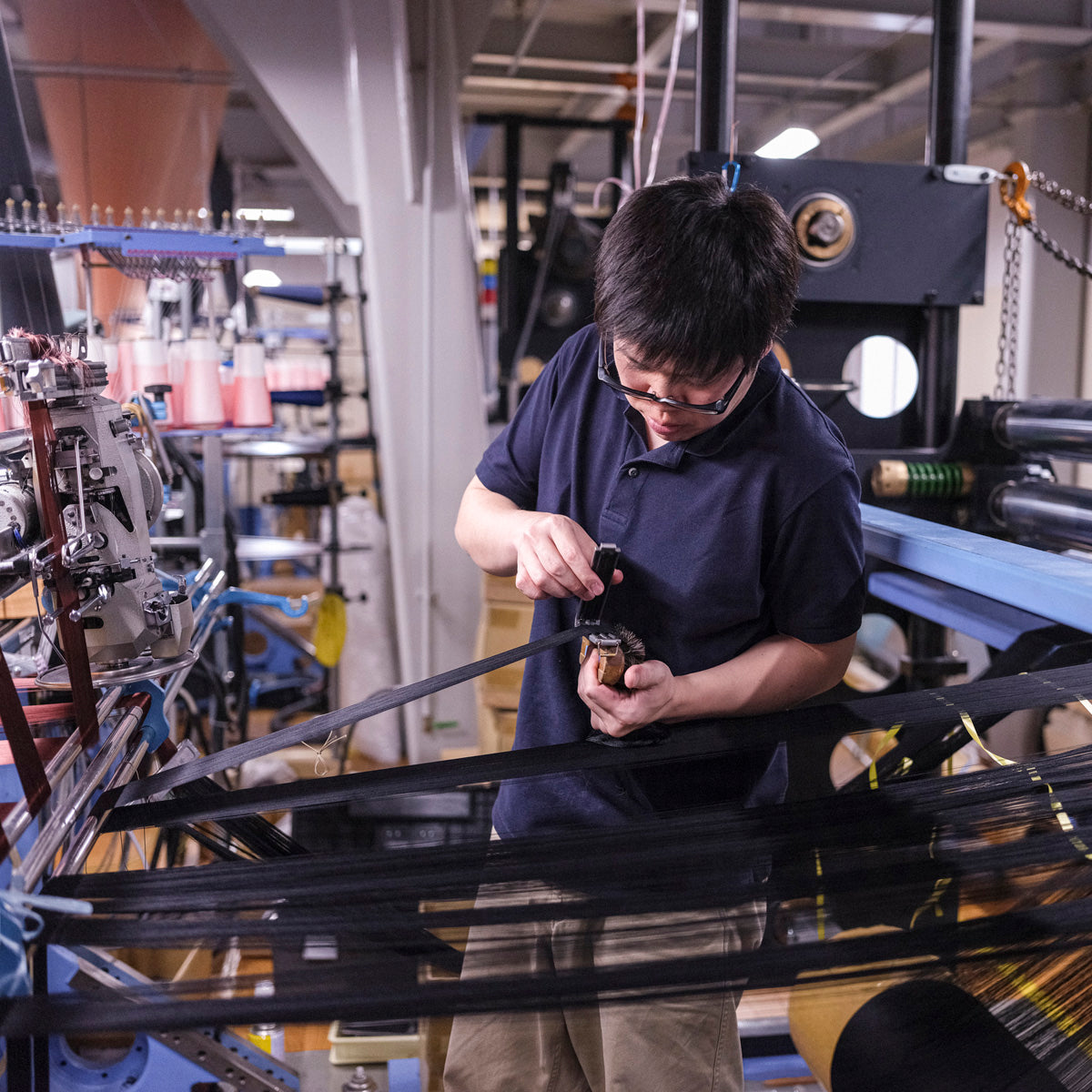
A team of weavers who have inherited the technique of weaving high-density, intricate patterns using traditional Kai silk.
We own a large-sized jacquard loom, which is rare in Japan, and are a group of craftsmen who are able to use both the latest technology and traditional techniques.
Daily conversations with looms
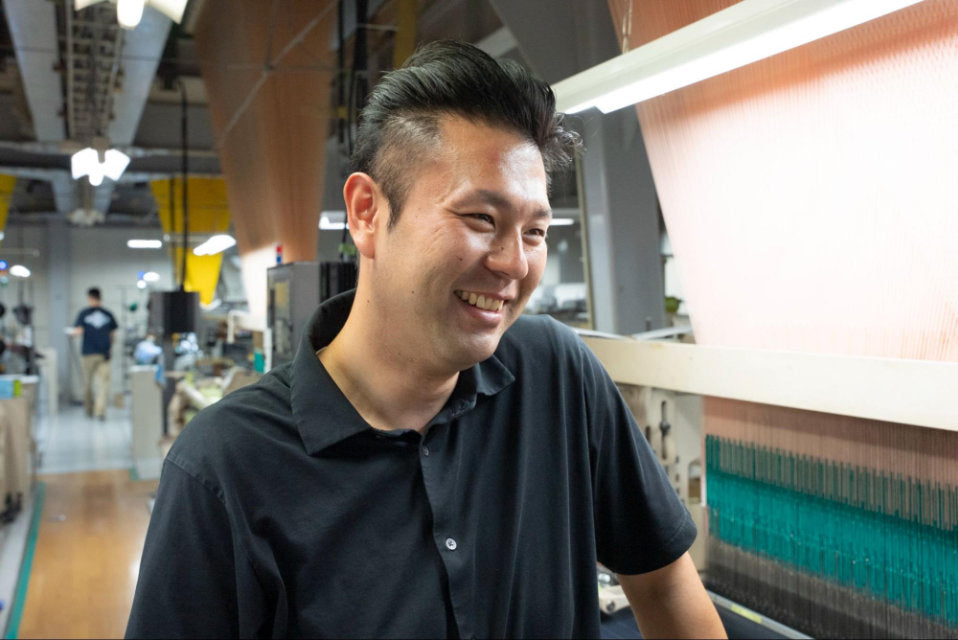
Interviewee: Omata Tatsuya
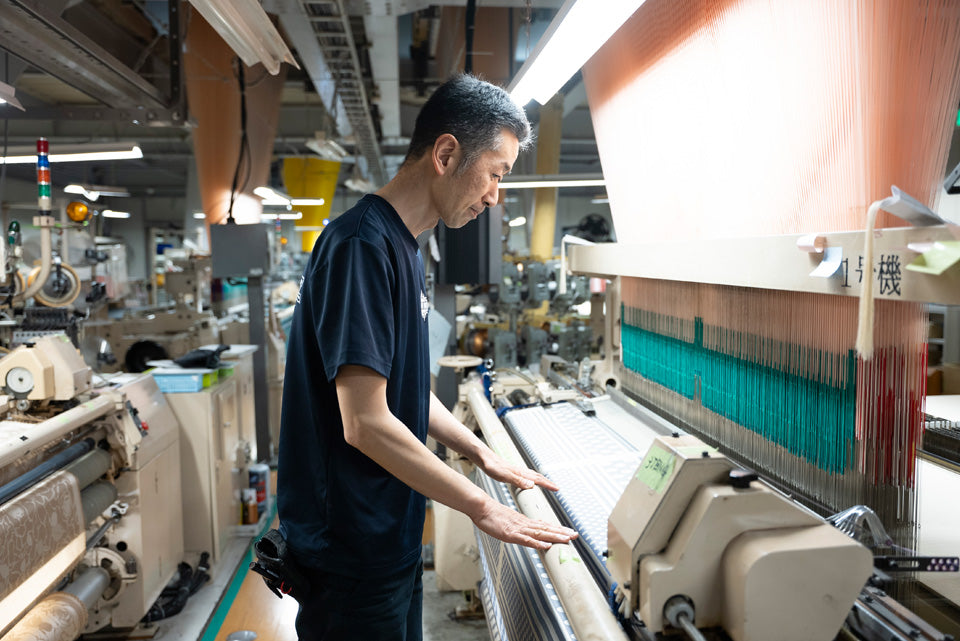
Omata Tatsuya is a textile craftsman who continues to work with looms at Makita Shoten.
He is in charge of operating a delicate loom that handles 12,000 warp threads and does not allow for even the slightest error. We asked him about the difficulties and rewards of his job.
Q. What led you to join the company?
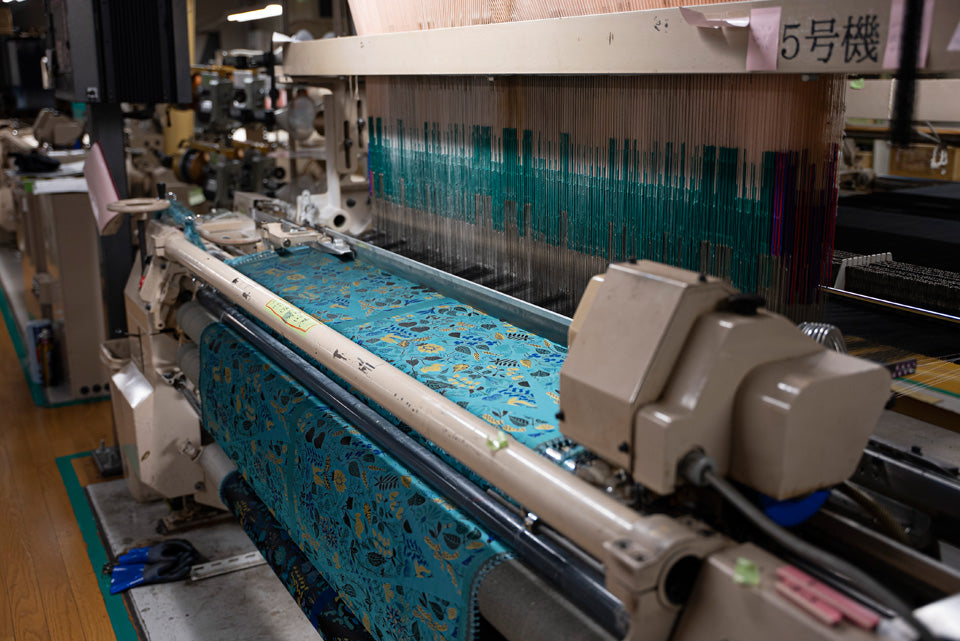
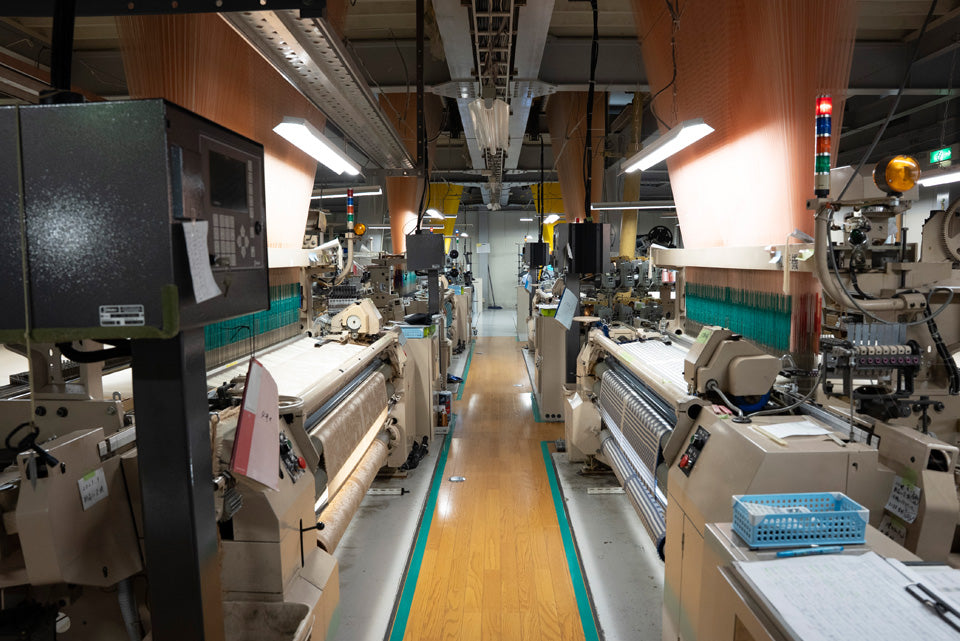
I originally wanted to work in a job where I could make something with my hands, so I was interested in working at the textile factory Makita Shoten. But when I was assigned to the department that actually makes textiles, I was surprised at first, thinking, "A machine weaves it?!" But there's always a sense of tension, as we're involved in everything from preparing and setting the threads for the machines to adjusting the weave. Currently, three of us manage six to eight looms, weaving both clothing fabrics and umbrella fabrics.
Q. What are the difficulties in operating a loom?
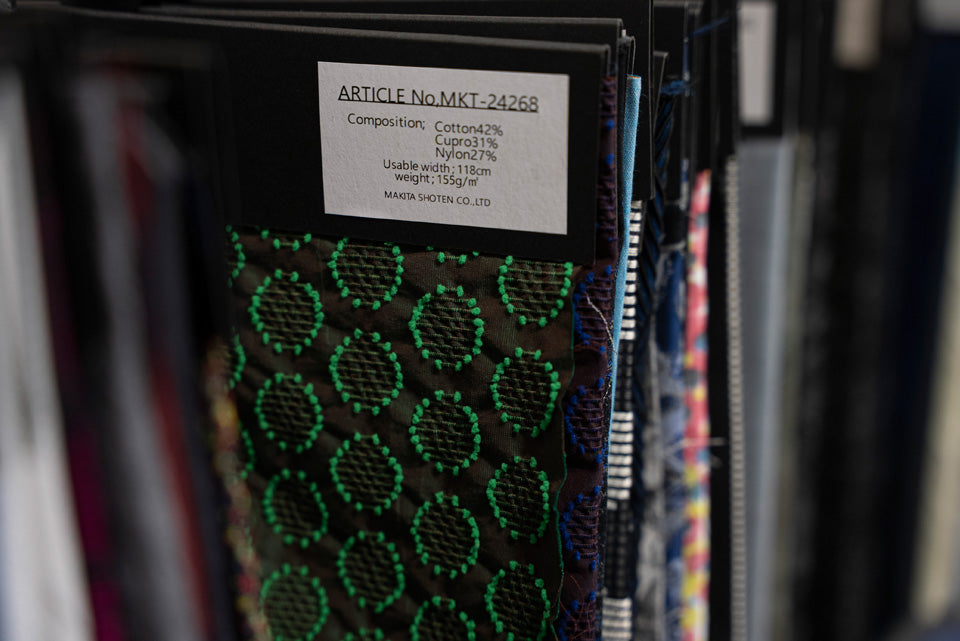
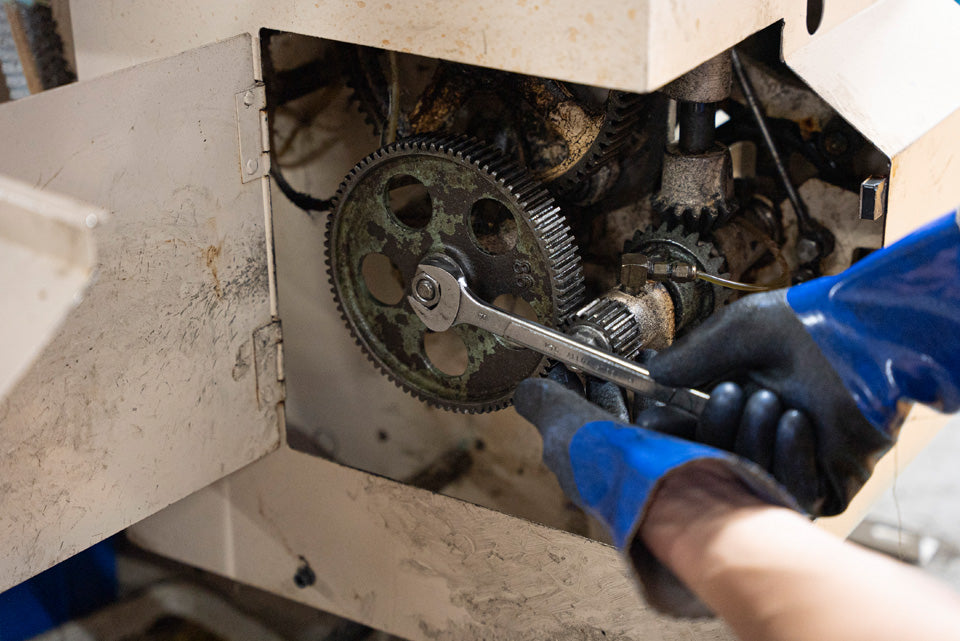
It's also important to understand the quirks of the loom. There are cases where a two-weave loom (using two colored threads) cannot be woven with a four-weave loom, or where a weave works on one loom but not on another under the same conditions. Depending on the condition of a part called the rapier, the weft thread may not pass through properly and cut the warp thread, causing the pattern to become distorted. For this reason, daily maintenance is essential, from cleaning the loom and applying grease to tightening the gears.
Q. Is there anything you do to innovate when weaving new patterns?
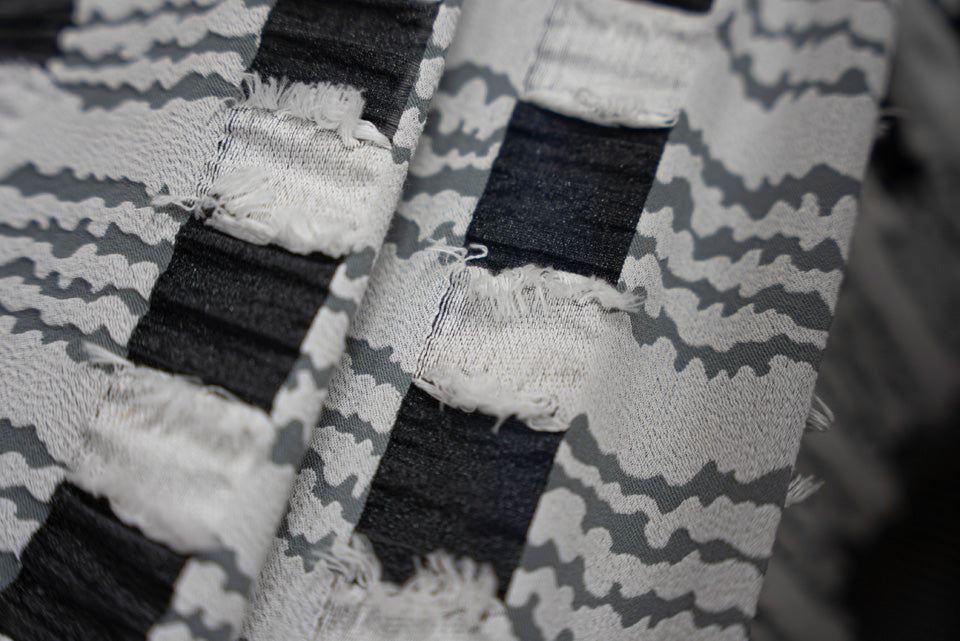
With new patterns, the pattern construction and density change, so twisting (the process of joining old and new warp threads) and other adjustments take time. There are some aspects that cannot be achieved through experience alone, so the honest answer is, "You won't know until you try." When weaving heavy fabrics (patterns with many warp threads), the load increases and the loom can break, so it's important to assess the situation before weaving and understand the loom's characteristics. Each loom has its own characteristics, so it's important to weave on a loom that suits the pattern. However, looms can be booked, so adjusting the schedule can be difficult.
Q. Are there any types of fabrics that are particularly difficult to weave?
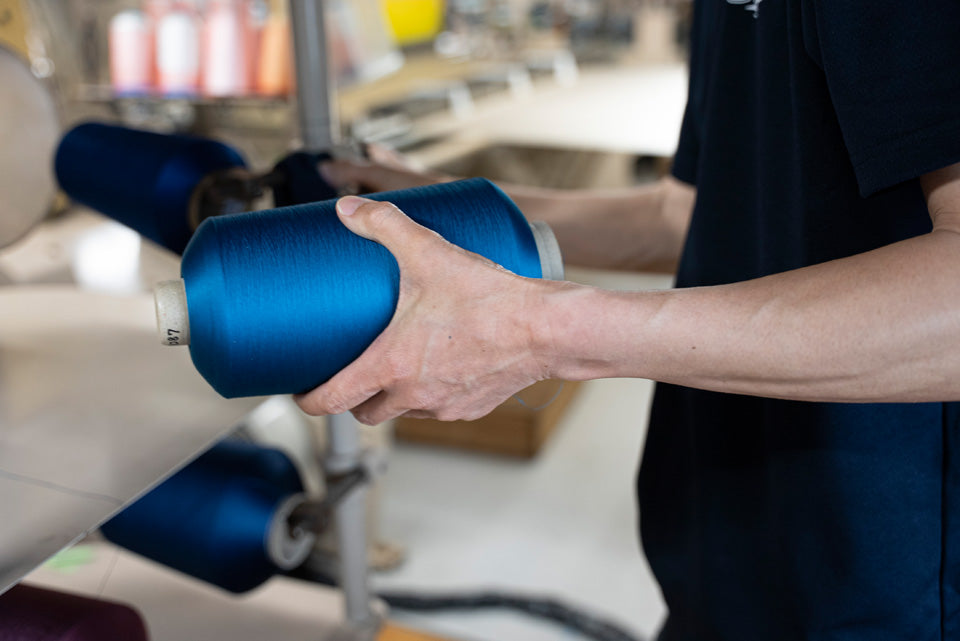
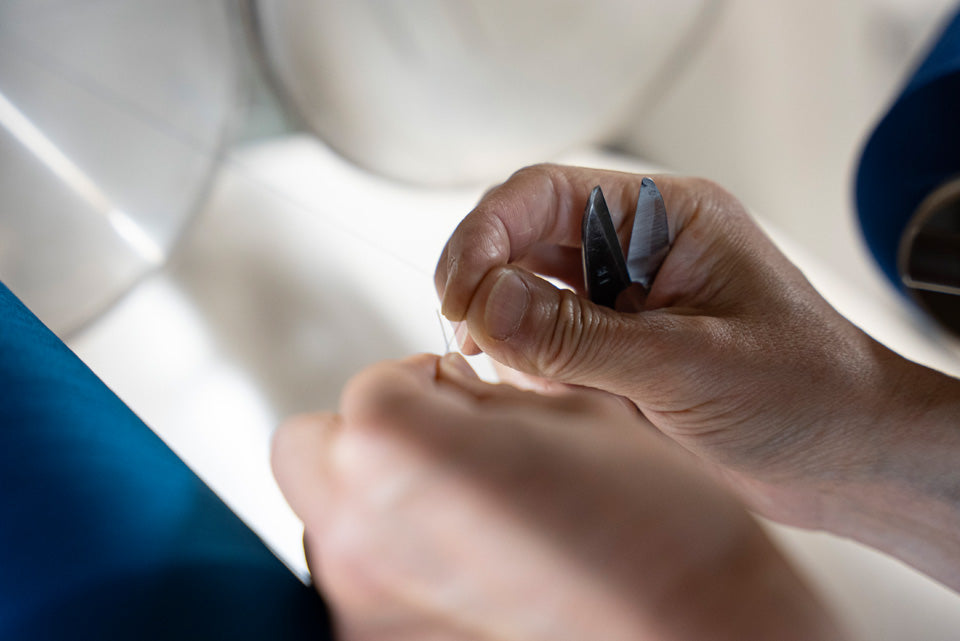
It is particularly difficult to weave stretch yarn without damaging it. The yarn arrives starched to make it easier to weave, so if the yarn is not handled properly in the warp thread handling process, the threads may move all at once during weaving and cause damage. The yarn has polyester wrapped around rubber, so care must be taken when handling the warp thread. We take particular care because it is impossible to tell if the rubber has broken while weaving.
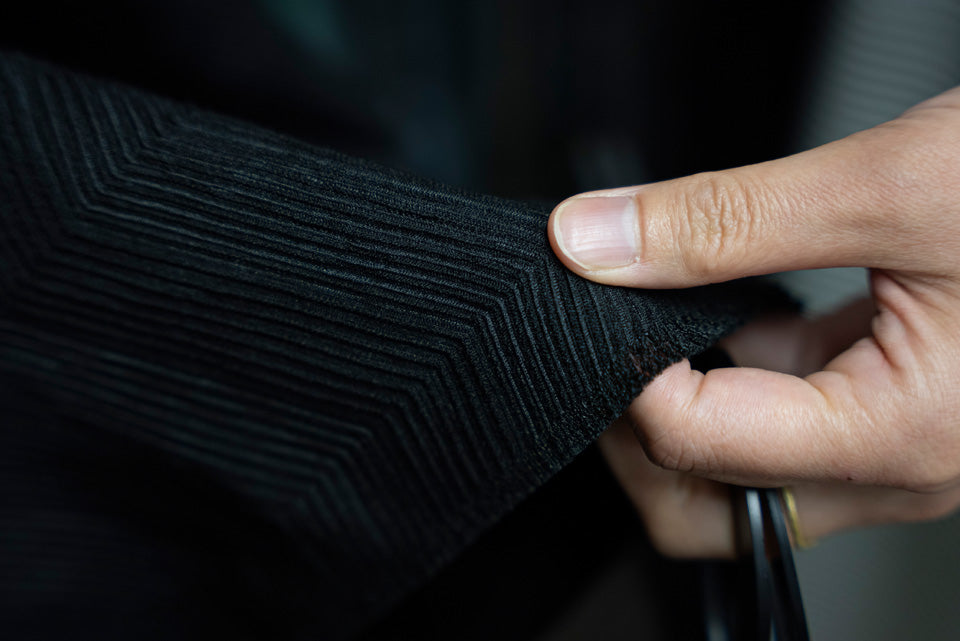
Even plain fabrics are difficult because the condition of the thread and the loom's stitching have a clear effect on the fabric.
Additionally, fabrics with multiple weft thread materials can be difficult to adjust because the degree of adjustment varies depending on the thread material and count (thread thickness).
Q.Are there any other techniques you use to weave well?
We have to be especially careful in the winter. When it gets cold, the loom doesn't work well and the threads become stiff and prone to breaking, so we sometimes turn on the heater when we go home. Humidity and room temperature also have an effect on weaving, so fine adjustments are important.
With electronic systems, a malfunction in the circuit board can stop the weaving process. With experience, you become sensitive to even the slightest abnormal noise or vibration.
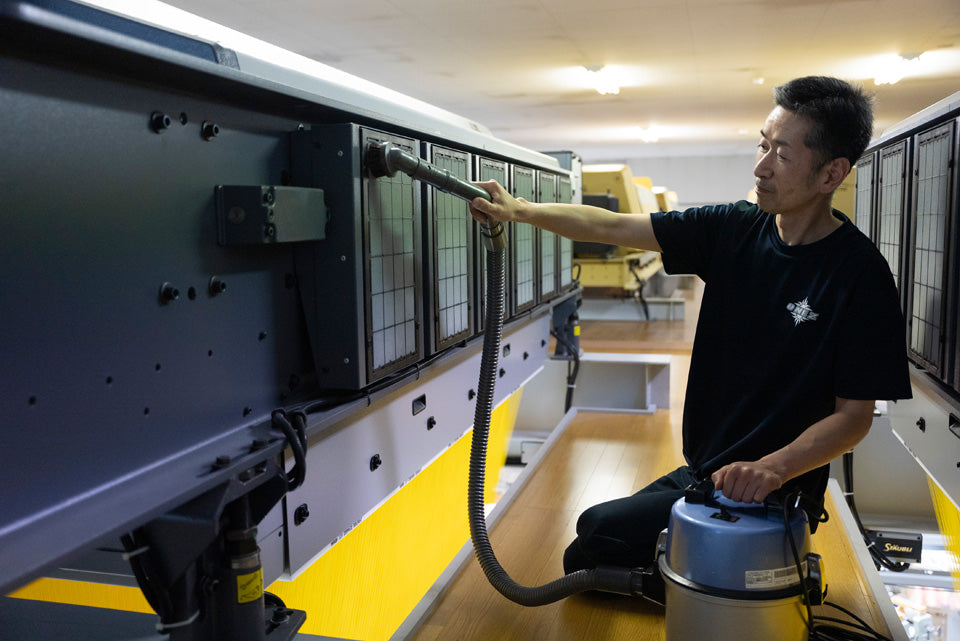
The Jacquard device must not get too hot, so it has a cooling fan, but the filter gets clogged with dust, so we clean it thoroughly.
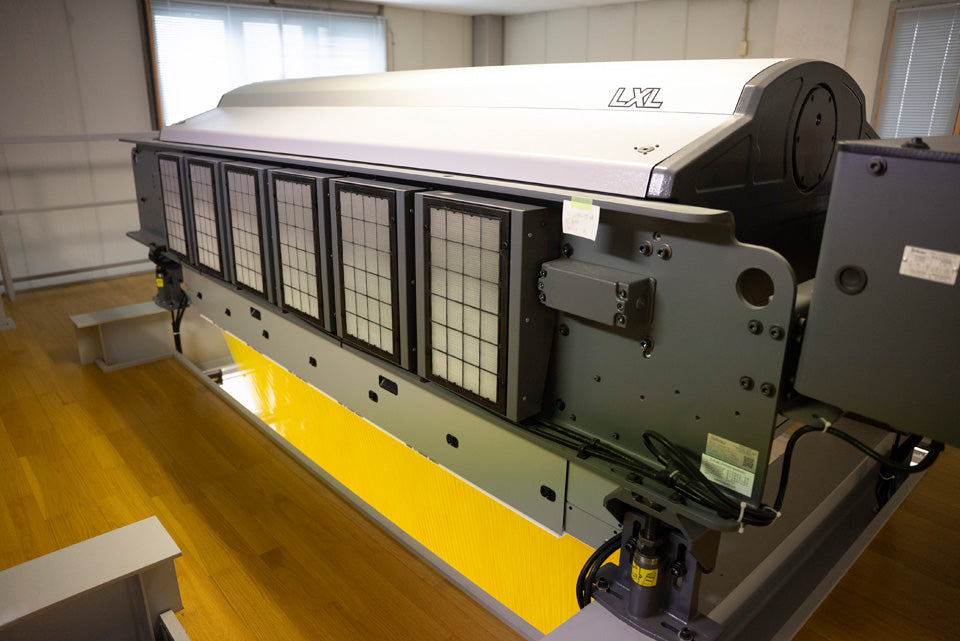
Q. Tell us about a moment when you felt glad to be doing this.
I try to work as quickly as possible, so when I was able to complete the twisting of the approximately 12,000 warp threads, which took just 2 hours and 50 minutes, a faster pace than usual, including the time from preparation, I thought to myself, "I'm going to give myself a pat on the back today!" (laughs)
I thought I was just weaving textiles, so when I heard people say at a staff meeting, "Weavers are creators," and "We couldn't weave without weavers," I felt happy that people around me recognized my work.

Q. How do you spend your holidays?
I try to relax my mind and body as much as possible on my days off by spending time daydreaming in nature or working with my hands to refresh myself.
Q. Finally, what is the moment that made you feel glad to be doing this job?
Simply when there are no problems and the fabric comes out beautifully.
When it comes to new patterns, it can take time to prepare and set the weft threads. Even if everything goes smoothly from the preparation stage, including coordinating delivery dates with sales and checking inventory, it doesn't mean that we can weave it to the end. That's why the sense of accomplishment when we finish weaving is so great, and it's such a joy to see the joy of the people who hold the finished fabric in their hands.
Other articles
Fujie: Connecting the vision of textile artisans and brands to create something
>Read the article
The charm and fun of weaving learned through umbrella making: Rika Takiguchi
>Read the article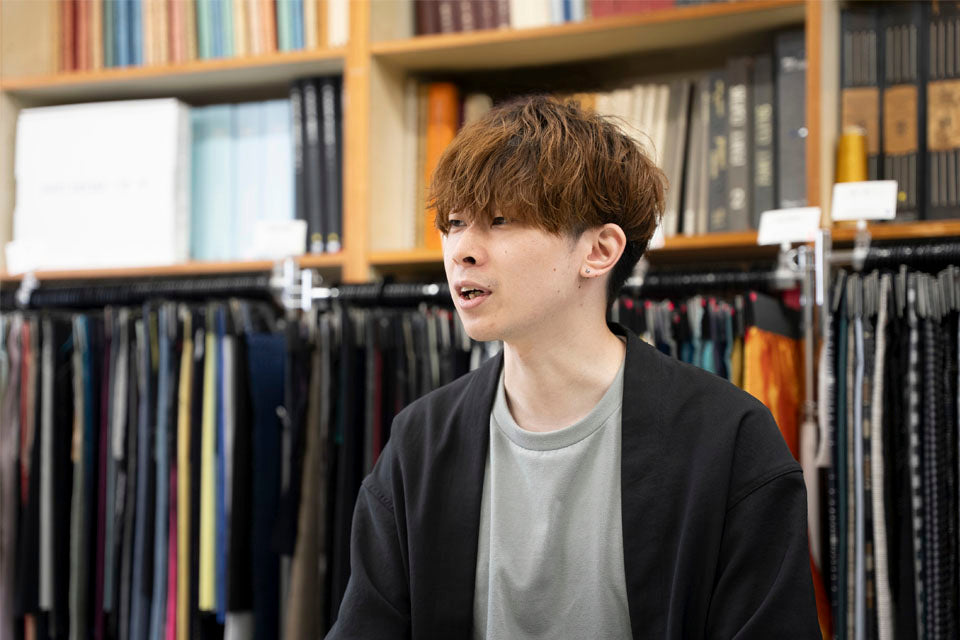
The bridge between craftsmen and customers: Tomoki Kurihara
>Read the article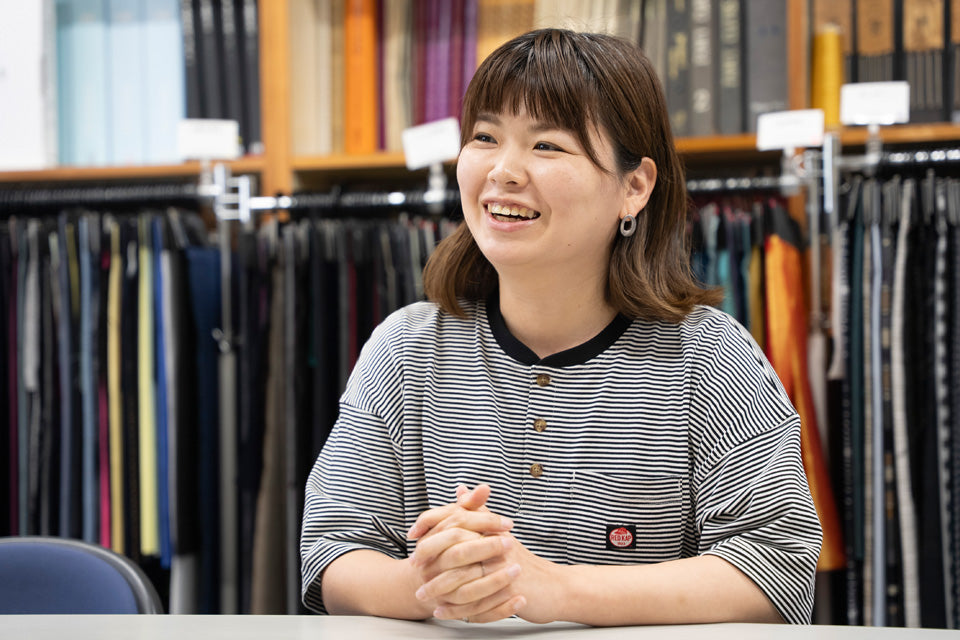
The work and thoughts of a textile designer who weaves senses: Misato Inoue
>Read the article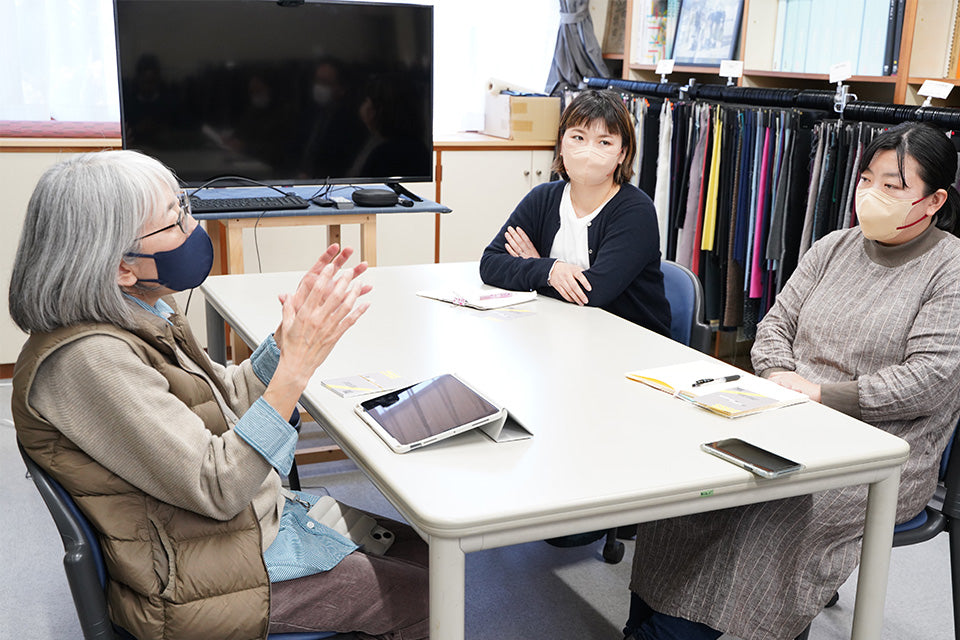
Makita Shoten's textiles evolve into a new era
>Read the article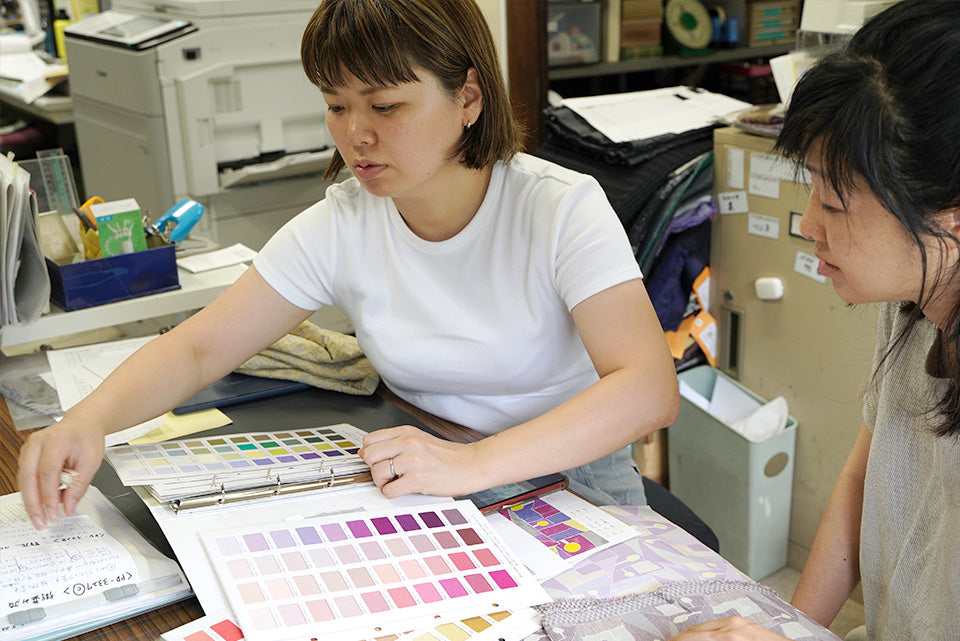
What are Makita Shoten's textile designers?
>Read the article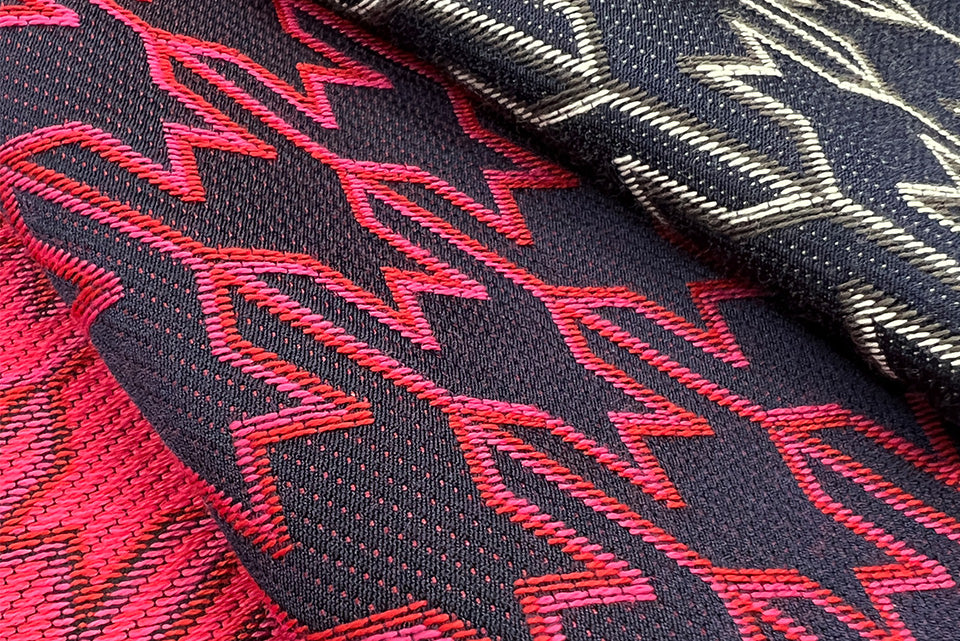
<Ordering original fabric>
[For corporate customers only] Would you like to create your own original jacquard fabric? We have a textile designer with specialized knowledge who will support you, so even if you are new to fabric making, you can place an order.
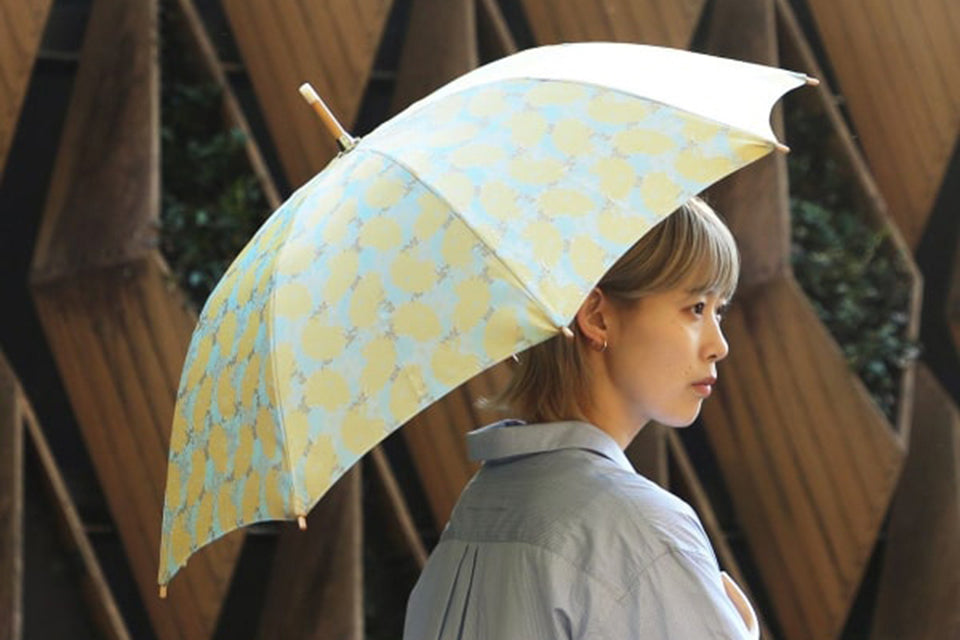
<Ordering an original umbrella>
[For corporate customers only] Would you like to create your own original umbrella? Makita Shoten is the only factory in Japan with an integrated production line from fabric to finished product.
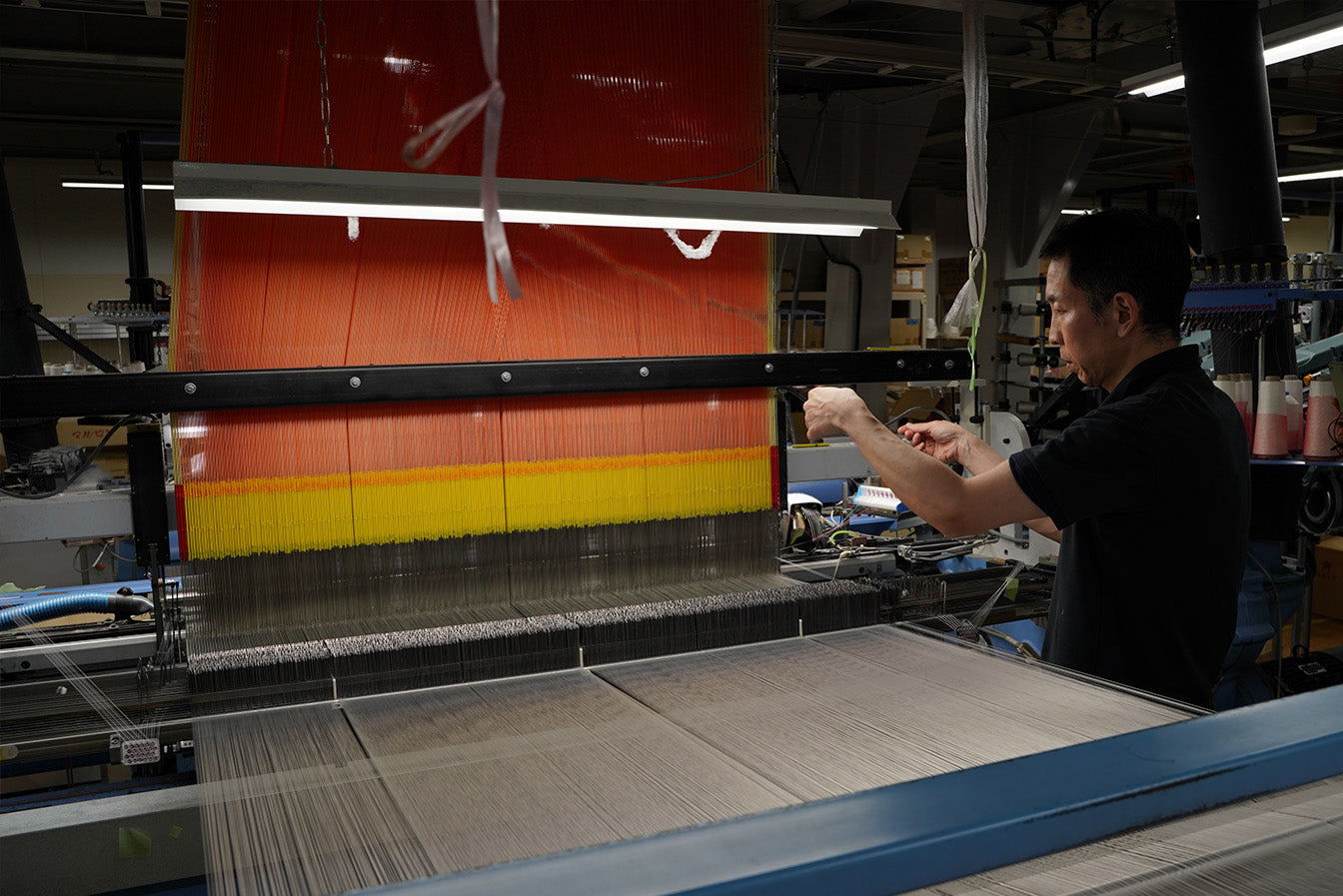
<Weaving umbrella fabric and clothing fabric>
There are six main steps that Makida Shoten goes through before their fabrics are finished, and each step is carried out by specialized craftsmen who have inherited the traditions of the ancient production area.