

PEOPLE
We value being a store. A future filled with Makita fabrics in our daily lives
We value being a shop. We want to create a future where Makita fabrics are abundant in our lives.
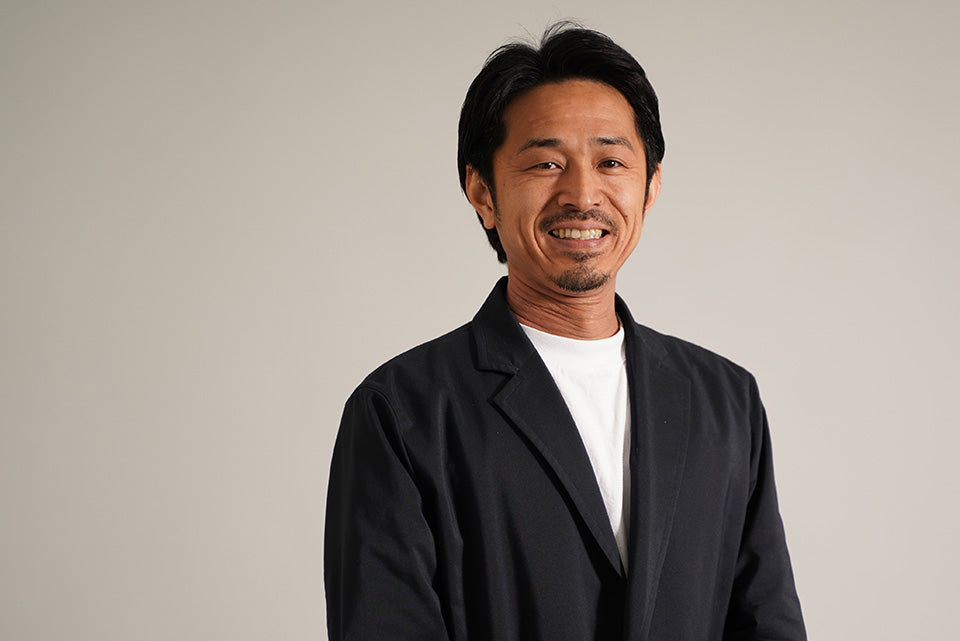
My name is Yoichi Makita, and I will be the sixth president of Makita Shoten from July 2022. The previous president is currently serving as an advisor, and I hope to create a new Makita Shoten by expanding the appeal of Makita Shoten that has been cultivated up to now, while also taking on challenges that have never been done before.
Q: "Please tell me about Makita Shoten."
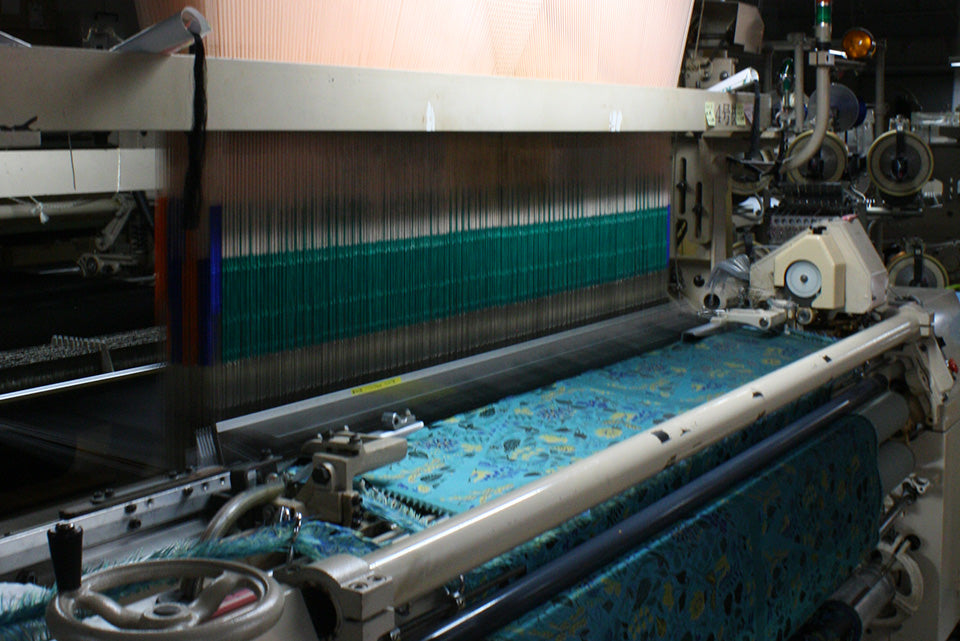
Our company is a textile factory that weaves fabric for clothing and umbrellas on request from our customers, and for umbrellas, we carry out an integrated production process from cutting the fabric to sewing and assembling it. I am mainly in charge of umbrella fabric, while my younger brother, Tetsuya, the managing director, is in charge of clothing fabric, and in recent years we have also developed our own brand , "Makita Shoten."
Q: "Please tell me about Makita Shoten's umbrellas."
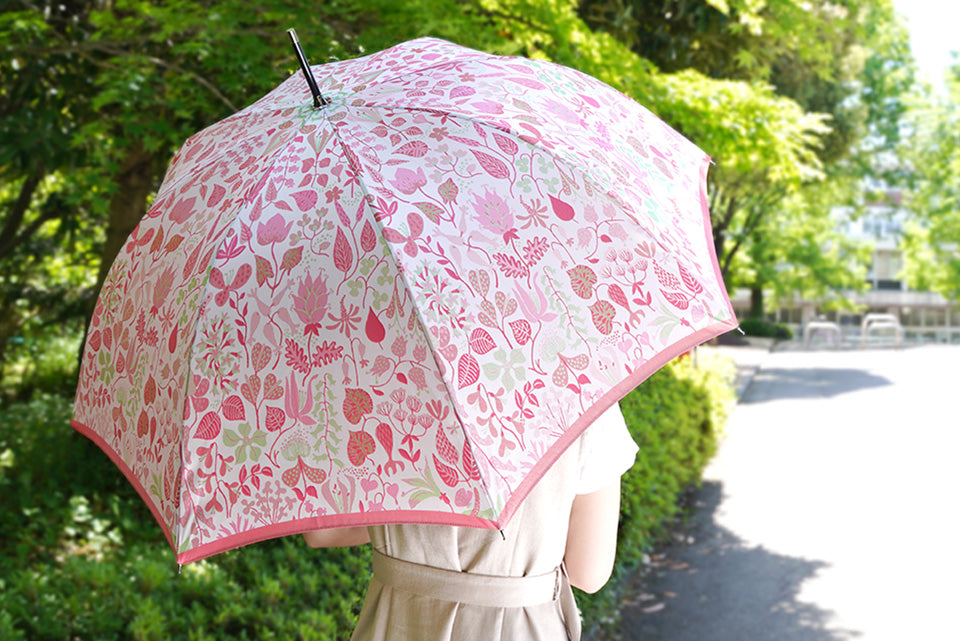
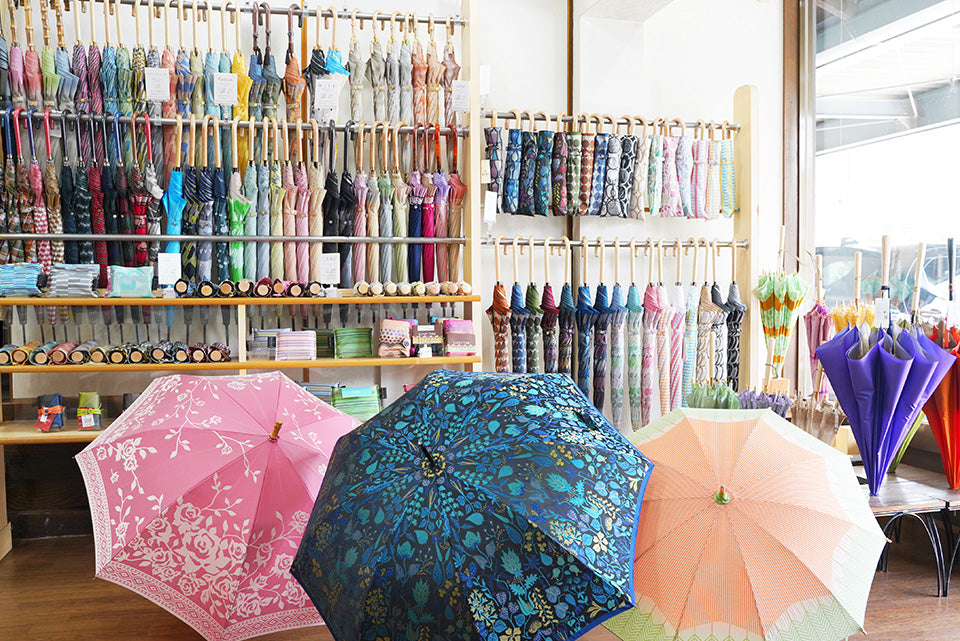
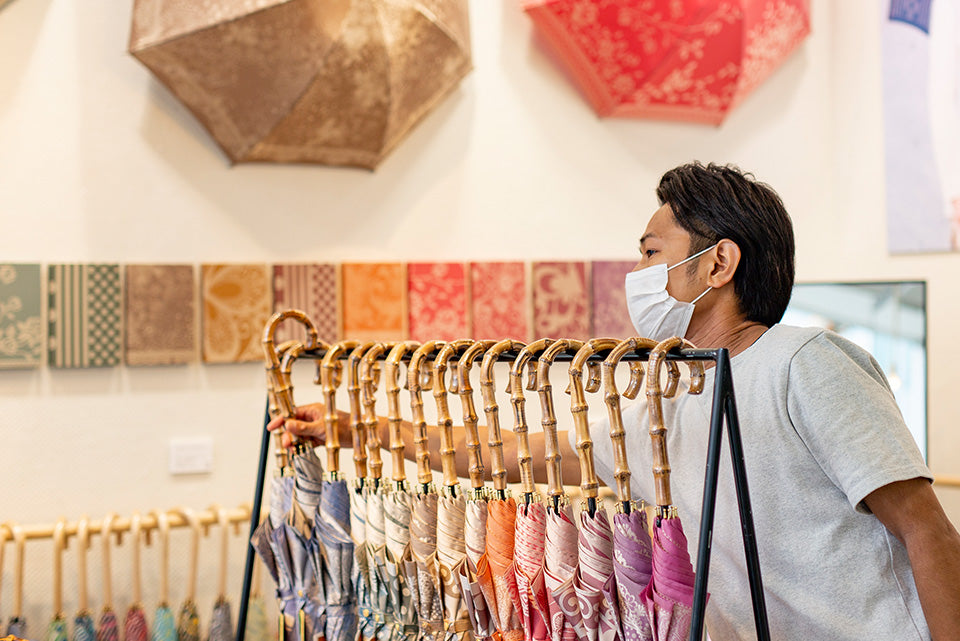
I think Makita Shoten's umbrellas are "beautiful." Perhaps it's because they're our own, but they catch people's attention on the streets. Recently, a staff member on a business trip to Tokyo told me how delighted he was to spot a beautiful person carrying a Makita Shoten umbrella in the rain. I myself was captivated by a beautiful woman holding a Lindberry herbarium (plant specimen) umbrella on a Ginza street. Despite being told, "You won't sell umbrellas," we exhibited in New York, where we were able to connect with customers. They happily told me that when a customer was using the umbrella, someone in a passing car called out, "Beautiful Umbrella!!" I was so happy to hear that our umbrellas are getting compliments, even in New York. But why do they stand out so much? When I analyze it this way, I think that because Makita Shoten's umbrellas are made from yarn-dyed fabrics, where each strand of thread is dyed before being woven, the colors and patterns have a three-dimensional feel and depth, and their beauty is accentuated when they get wet in the rain or exposed to the sun.
Q: "There are a lot of beautiful colors."
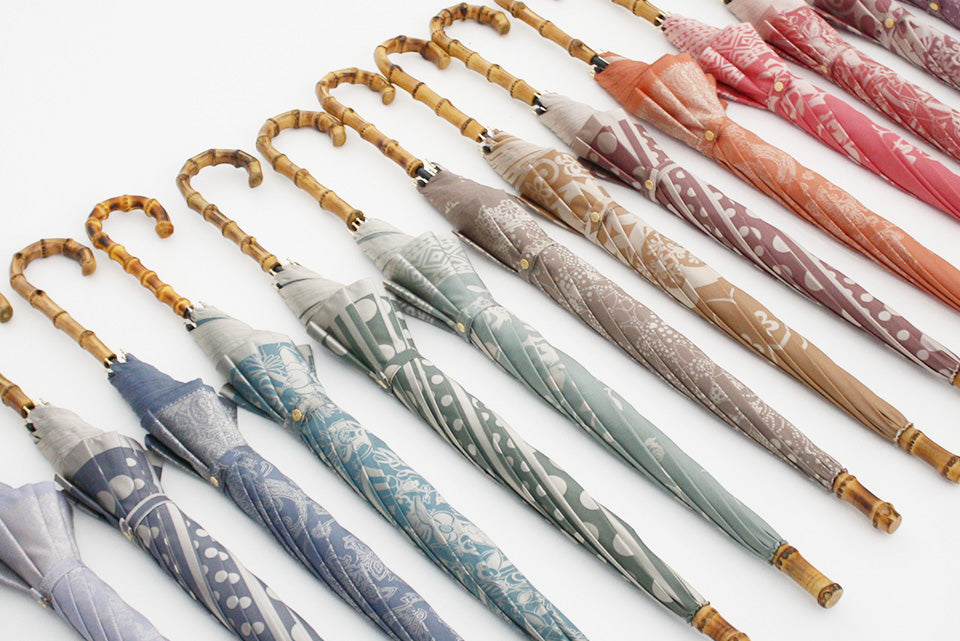
Thank you. Rather than using flashy colors, I try to bring more color to the world. When the weather is bad, the world is filled with gray, and on extremely hot days, we feel drowsy and tired of the heat, so I think that an umbrella with a beautiful color or design can help turn those feelings a little more positive. I also get happy words when people compliment me, saying, "What a lovely umbrella." Umbrellas are "objects" because they are not as close to the body as clothes. That's why I want to create "objects" that can be used for a long time by properly strengthening the power of objects.
Q: "Is there anything you would like to accomplish through umbrellas?"
When "things" change, the way they are handled changes, and so does our behavior. Making and handing out umbrellas that people will want to treasure is not just a sale, but rather, I hope, though presumptuous, to convey through umbrellas the joy of living a thoughtful life and using good things for a long time. Umbrellas are inevitably easy to lose, so it's true that few people use good umbrellas, so even though it may be presumptuous, I would like to also raise awareness of umbrellas.
Customers often tell us that they can't find a place where they can buy good umbrellas, so we wanted to create a place where they could purchase umbrellas and share their appeal. At first, we were thinking of opening a small store in Tokyo, but after having the opportunity to sell our products in various regions, both within Tokyo and overseas with our friends and meeting many different people, we realized that we wanted to run a proper store in our hometown. We want our customers to see and feel the scenery and lifestyle of this region, and the craftsmanship that has been cultivated there for many years. We envision it as a multi-purpose salon-like place.
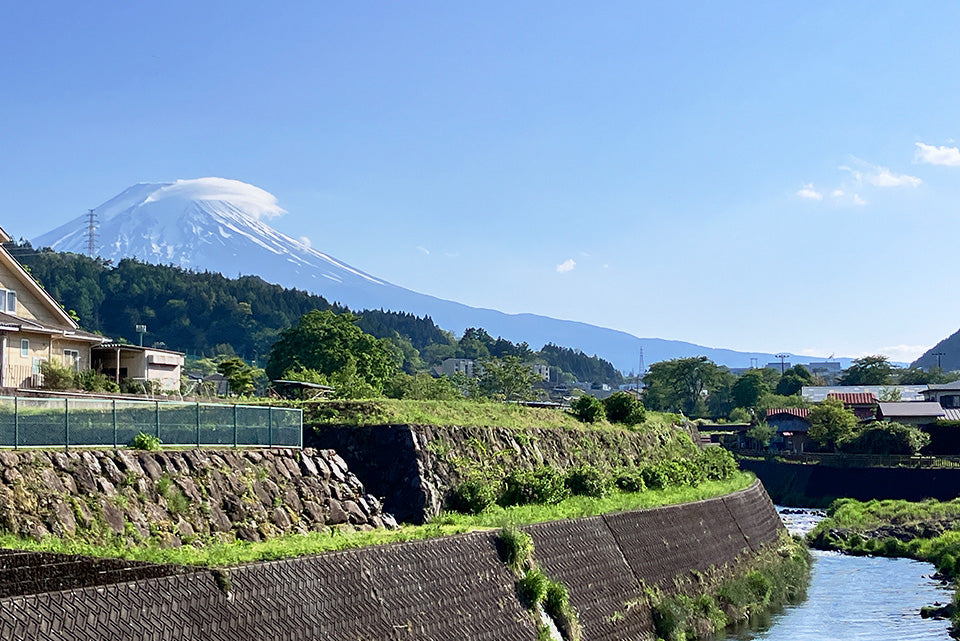
In Nishikatsura Town, Yamanashi Prefecture, where our factory is located, I would like to create a place where we can talk about the history of the textile production area, reliable manufacturing, and umbrellas. I would also love to help customers choose an umbrella there. When I speak with customers at pop-up events and other events, I often find it surprisingly difficult to know what criteria to use when choosing an umbrella. Indeed, important criteria include not only color and pattern, but also the number of ribs that fit your body type, size, whether you prefer a long or folding umbrella depending on how you plan to use it, and whether you will tire of the color and pattern. In the near future, I would like to create a place where customers can visit Nishikatsura Town, with its beautiful air and water, take their time to experience the charm of textiles and umbrellas, and choose the perfect umbrella for them. It would also be great to hold an umbrella photo exhibition where customers can objectively discover the beauty of umbrellas.
Q: Which umbrella do you recommend?
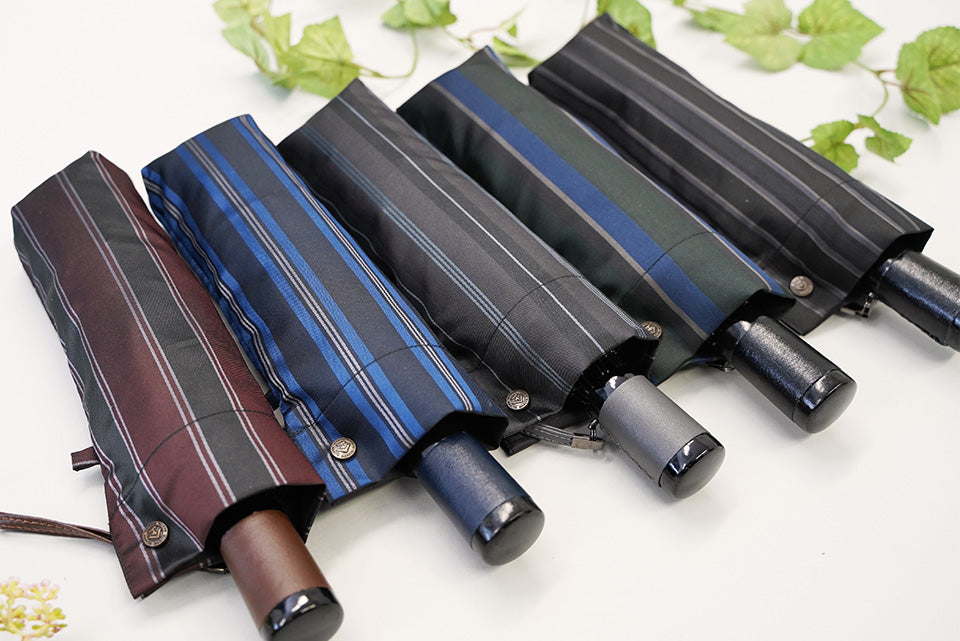
While all of them are recommended, the way an umbrella looks will change depending on the fashion you wear and the scenery you're wearing. For those who wear flashy clothes or often wear colorful patterns, we recommend men's striped or solid colors. While umbrellas with beautiful colors and patterns tend to sell better in stores, this basic line actually sells better online. They have a luxurious feel that allows you to use them with confidence not only for business but also for formal occasions, so we recommend them from the perspective of complementing your fashion.
In terms of color, green and brown umbrellas are not often seen elsewhere and are popular because of the beautiful depth that is characteristic of woven fabrics.
Q: "I have the impression that Makita Shoten has unique umbrellas."
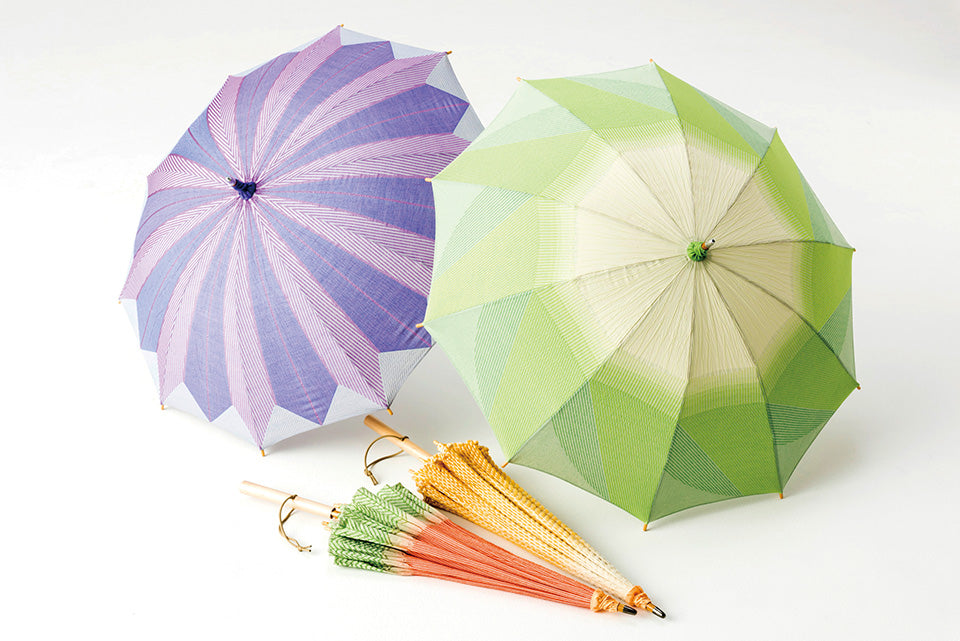
A major catalyst for creating these unique umbrellas was our participation in an industry-academia collaboration between Tokyo Zokei University and Gunnai production areas that began in 2009. We began participating in the collaboration in 2014, and the textile designer who is still working as an employee at our company joined us through that industry-academia collaboration, and the parasol she designed, "Sai," won the Excellence Award at the Yamanashi Industry Grand Prize.
It's not just about making products, but also about the joy of selling them. Woven fabrics are the raw materials, but the finished products can be used as they are, so communication is clear. Since we can create products from woven fabric, we want to create umbrellas that are one-of-a-kind when they are finished, and we strive to create umbrellas that connect the staff in various fields at Makita Shoten, including planning, design, fabric production, umbrella production, and sales. We are happy when customers say in the store, "These umbrellas are hard to find anywhere else."
Of course, there is also the benefit of OEM, where we manufacture products for our customers. By producing a large number of products, our craftsmen can continue to make products steadily, and we can make full use of Makita Shoten's technology.
However, by going out with our colleagues in the production areas, meeting various people, and gaining experience, we began to see what kind of company we wanted to be.
That is, "We want to be a store."
Q: "The 'shop' in Makita Shoten, right?"
Yes, the "shop" in our company name.
Generally, original products made by factories are called factory brands, but we believe that factory brands have value in that they convey the quality and technology that the factory possesses. Of course, Makita Shoten is also proud of this as a textile factory.
But more than that, I wanted it to be a "shop."
I participated in an activity called Hataori Travel, where we go directly to sell products with friends from the production areas, and one of the concepts of Hataori Travel is slow products. In a small textile production area at the foot of Mount Fuji, the weavers who make the products communicate the techniques and aesthetic sense of life that have been cultivated since ancient times through direct conversations with customers. The things we made and did through this activity don't have names, so I was very excited.
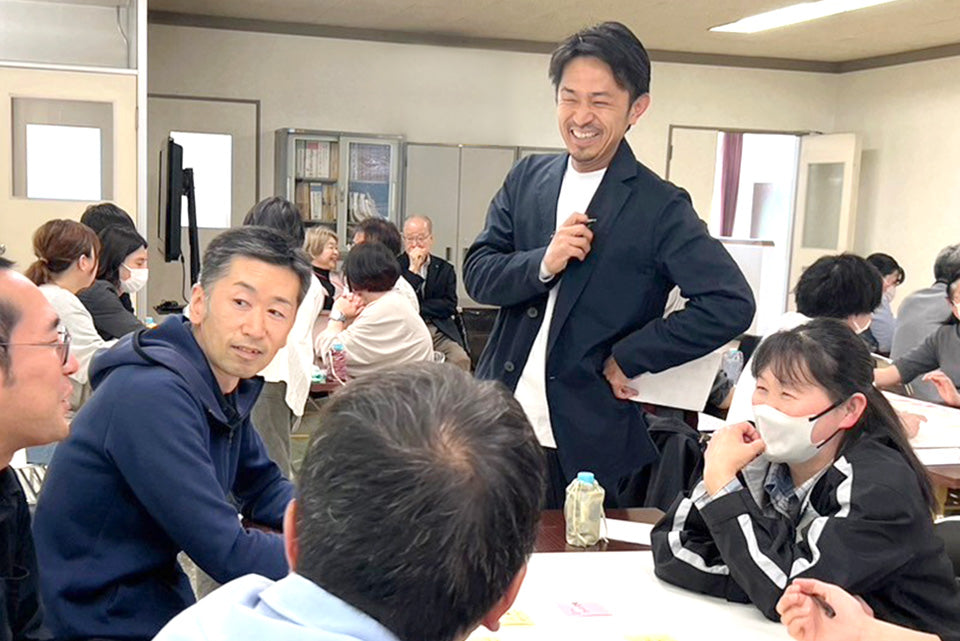
Our desire to "be a shop" is embodied in the trial and error we go through to find out who we should be as we expand the scope of our activities. Makita Shoten weaves textiles, and we have wholesalers and brands that buy them. But we also make umbrellas, do wholesale work, and sell original umbrellas. If someone asks us what kind of business Makita Shoten is, we can confidently say, "We're a shop." This is because we believe that the important thing in all of these things is, "Does it really benefit the customer? Is there meaning in doing it at Makita Shoten?"
It's often said that we have to think from the customer's perspective, but both wholesalers and the people who use our products are our customers. Just as we would serve each customer individually in our store, we want to create products that are meticulous and provide real benefits to them.
Q: What do you value as a store?
Quality is of utmost importance. And we also place great importance on cost. No matter how good a product is, it's no good if the price is not balanced. We believe that being at Makita Shoten, we consider costs so that we can offer products at a price that reflects the satisfaction customers feel when they hold and use them. We want customers to be pleased with the products that we have carefully made with our heart and soul!
Since I started making original products, I have had more happy moments.
For example, when I go to a high school reunion, someone says, "I saw it on TV, so I bought it. It was great when I used it!" Or when a friend overseas places an order because they want to give a gift that is uniquely Japanese, it makes me happy.
Q: Please tell us about the future of Makita Shoten.
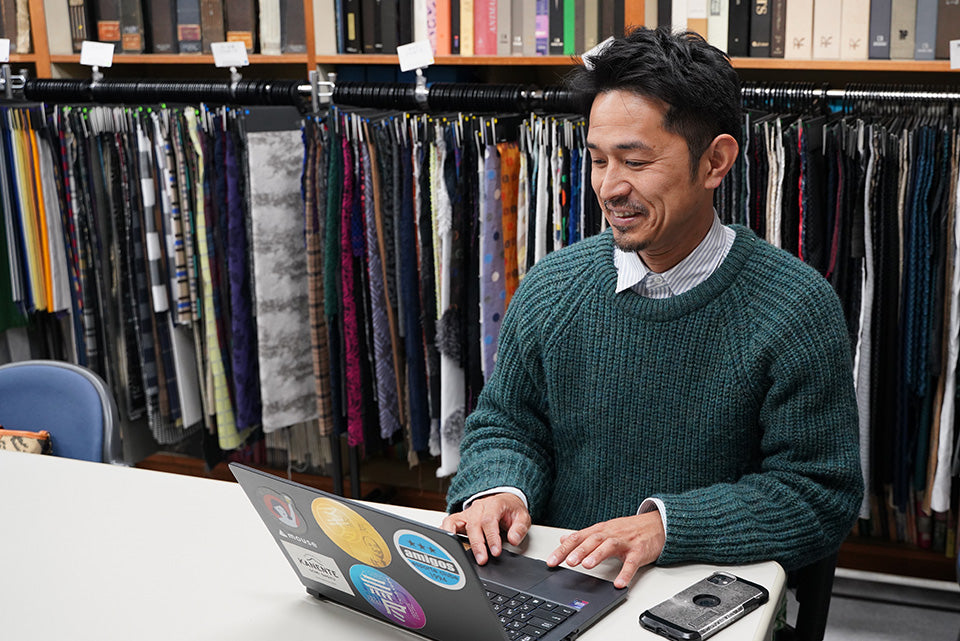
Woven fabrics are essential to our lives. We want to continue creating things together, aiming to create a life filled with Makita Shoten fabrics, adding beautiful colors and textures to people's lives and connecting people together. We believe that this is about having a voice that speaks not as a fabric store or umbrella store, but as a store called Makita. That is why we want to create a life filled with Makita Shoten fabrics.
Makita Shoten has been operating in Nishikatsura since 1866. During that time, the world has changed, and our production area has also experienced many changes. However, we would like to continue working hard every day so that we can continue to deliver beautiful products from this beautiful Nishikatsura to all of Japan and the world for the next 100 years.
Other articles
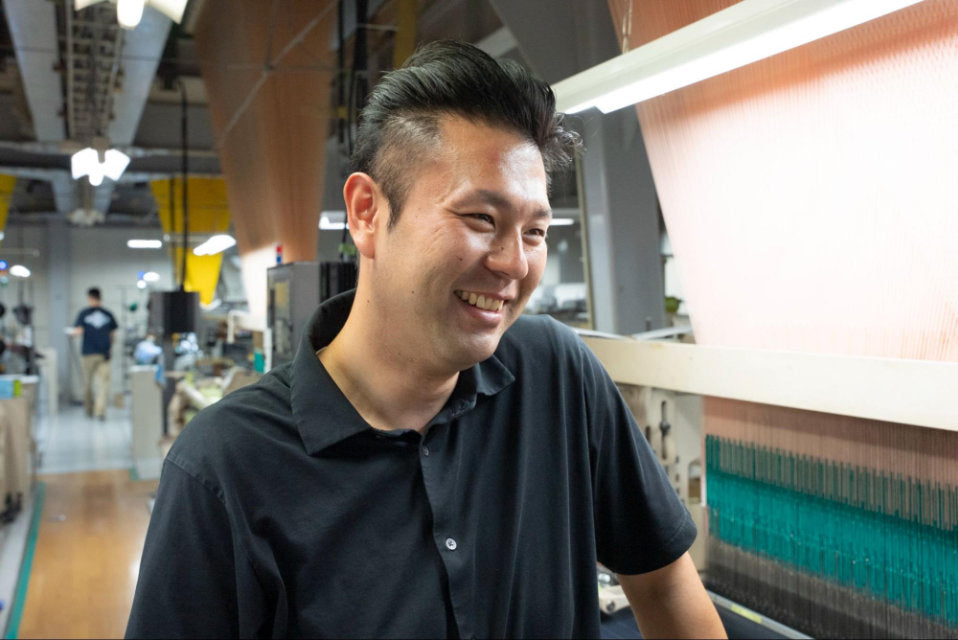
What are Makita Shoten's textile designers?
>Read the article
The charm and fun of weaving learned through umbrella making: Rika Takiguchi
>Read the article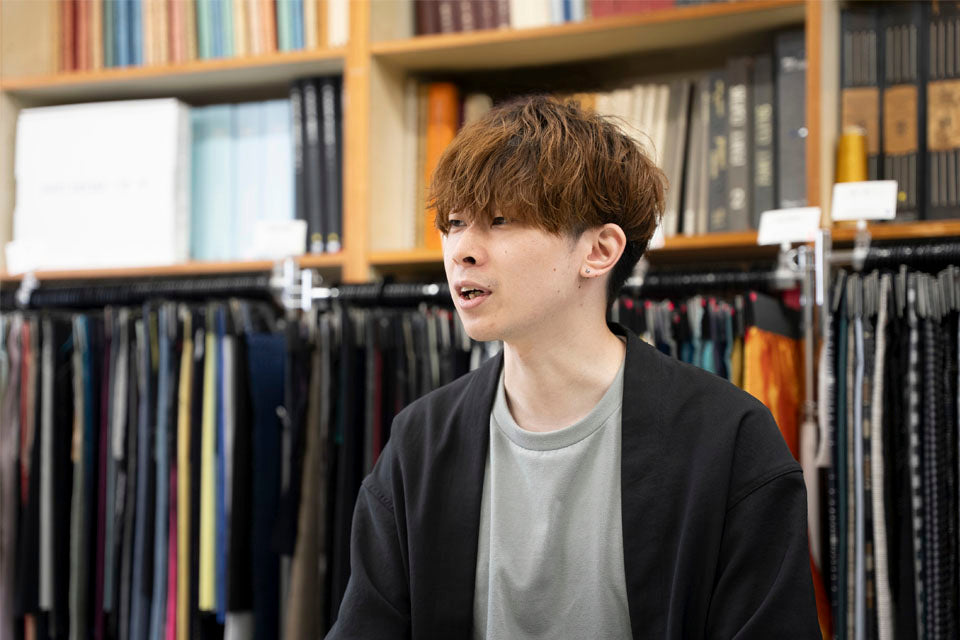
The bridge between craftsmen and customers: Tomoki Kurihara
> Read article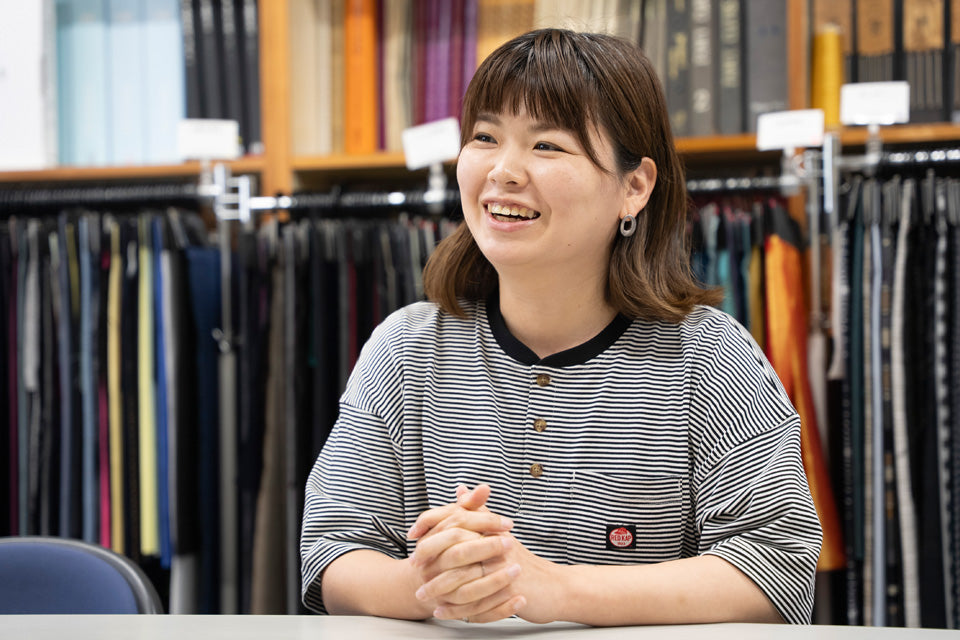
The work and thoughts of a textile designer who weaves senses: Misato Inoue
> Read article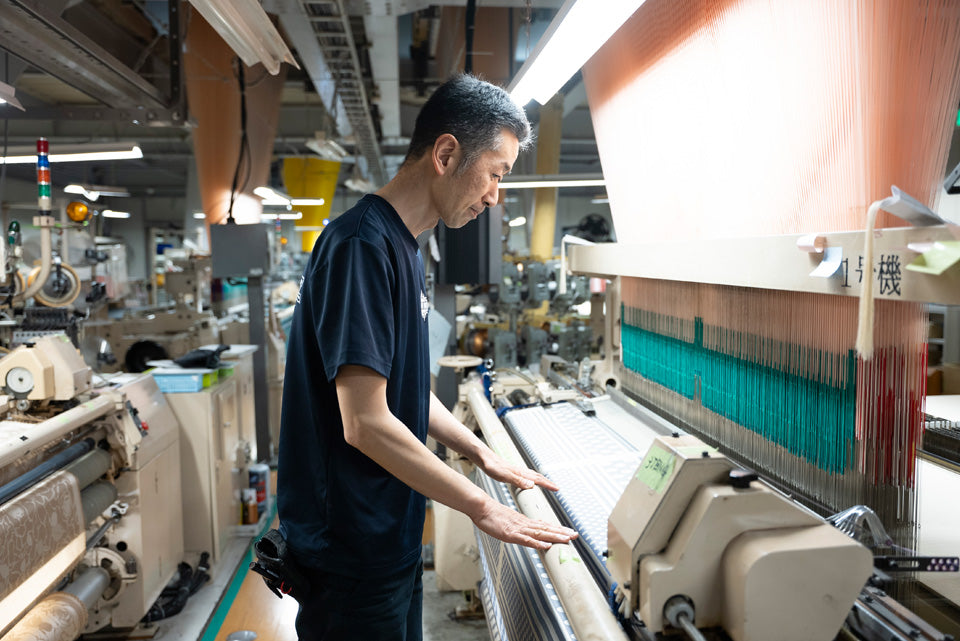
Daily conversations with the loom: Tatsuya Omata
> Read article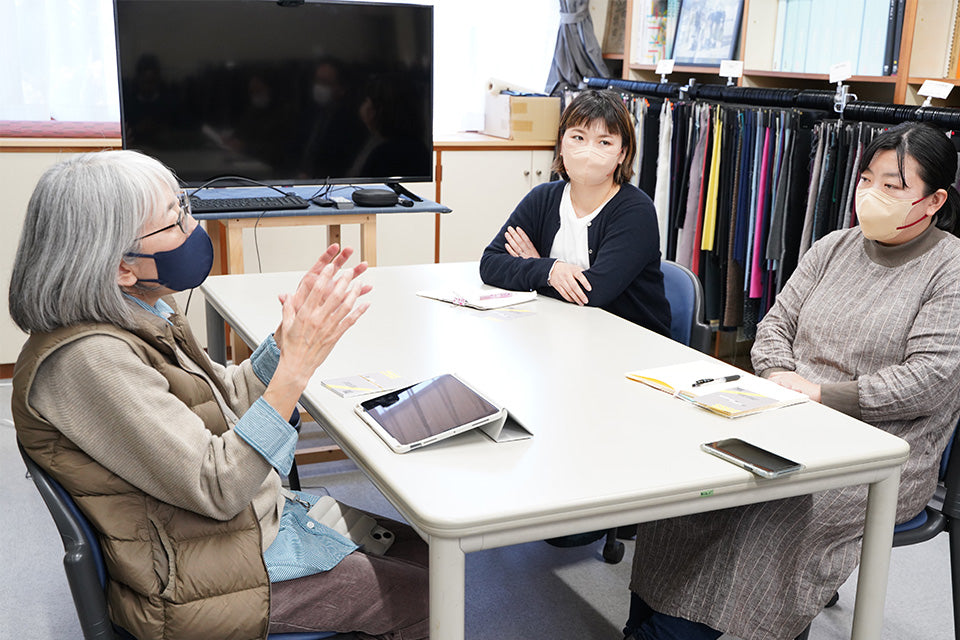
Makita Shoten's textiles evolve into a new era
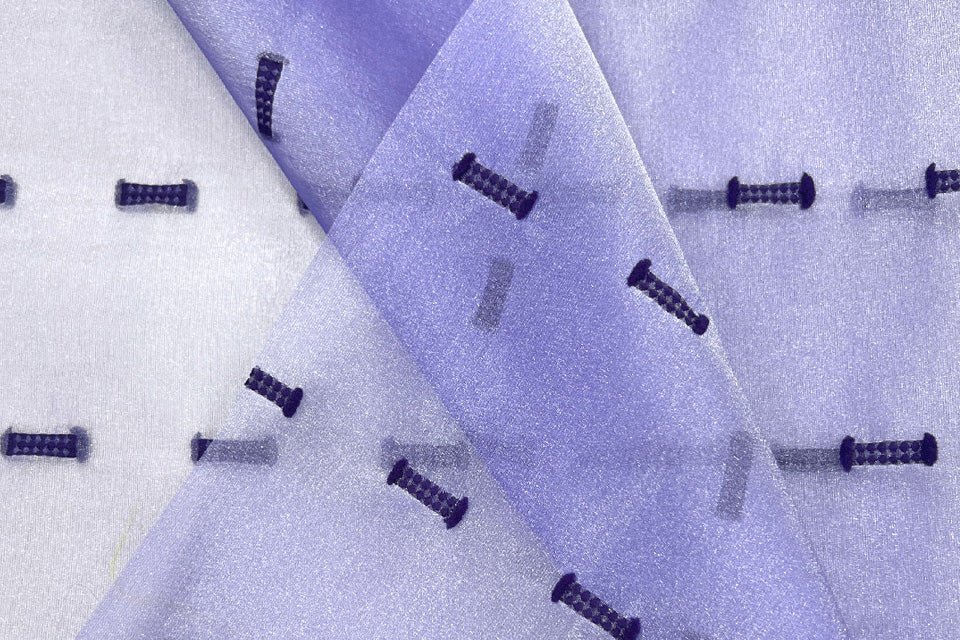
<Ordering original fabric>
[For corporate customers only] Would you like to create your own original jacquard fabric? We have a textile designer with specialized knowledge who will support you, so even if you are new to fabric making, you can place an order.
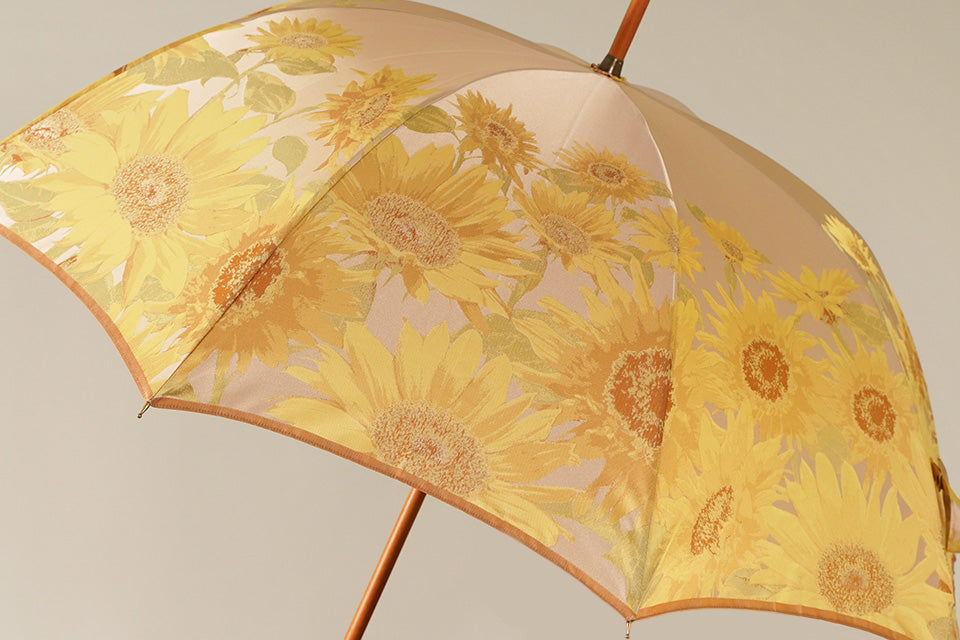
<Ordering an original umbrella>
[For corporate customers only] Would you like to create your own original umbrella? Makita Shoten is the only factory in Japan with an integrated production line from fabric to finished product.
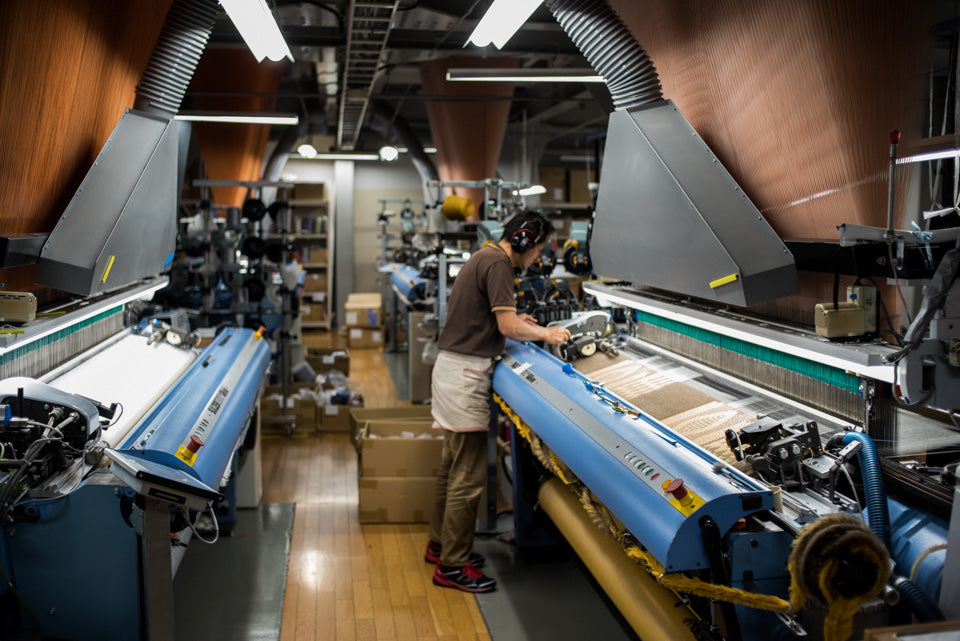
<Weaving umbrella fabric and clothing fabric>
There are six main steps that Makida Shoten goes through before their fabrics are finished, and each step is carried out by specialized craftsmen who have inherited the traditions of the ancient production area.